Texture Design Seamless Patterns: A Versatile Tool for Visual Projects
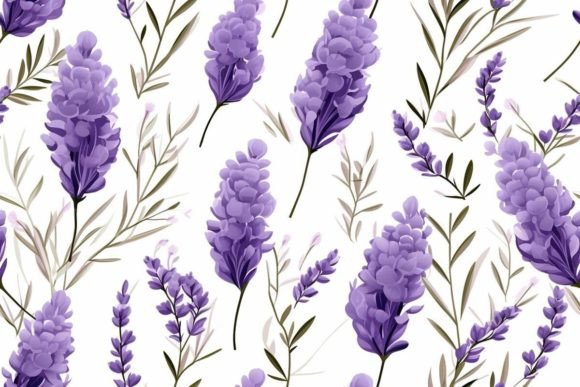
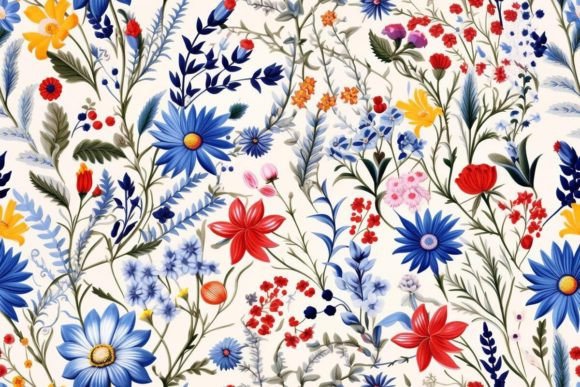
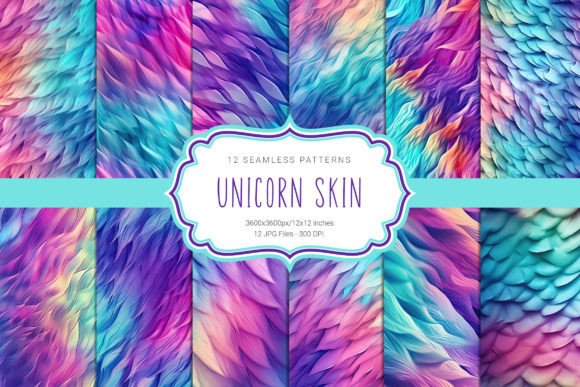
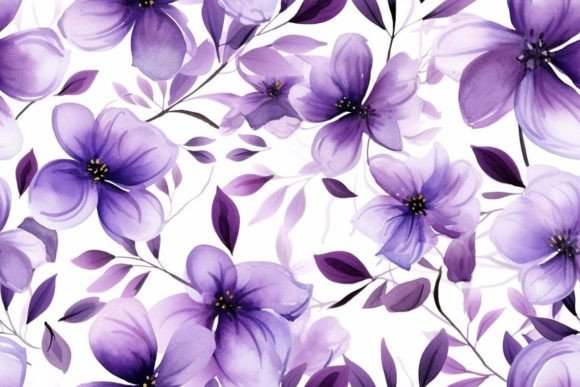
Texture design seamless patterns are a popular choice among designers, artists, and content creators looking to add depth and visual interest to their projects. These patterns consist of repeating designs that blend seamlessly at the edges, allowing them to be tiled without visible breaks or seams. This makes them ideal for use in backgrounds, fabric prints, digital art, and more. Whether you're working on a website, graphic design project, or print material, understanding how texture design seamless patterns work can help you make informed decisions about their use.
Texture design seamless patterns are created by designing a single tile that repeats across a surface. The key to creating an effective seamless pattern is ensuring that the edges of the tile match perfectly when repeated. This requires careful attention to detail during the design process, as even small inconsistencies can lead to noticeable seams when the pattern is tiled.
Why Consider Texture Design Seamless Patterns?
There are several reasons why someone might choose to use texture design seamless patterns. One of the main advantages is their versatility. These patterns can be used in a wide range of applications, from web design to textile printing. They allow designers to create visually appealing backgrounds that add texture and dimension without overwhelming the overall design.
Another benefit is the ease of use. Once a seamless pattern is created, it can be applied to any surface with minimal effort. This makes them a great option for those who want to quickly add visual interest to their projects without spending excessive time on detailed design work.
Additionally, texture design seamless patterns can be customized to suit different needs. Designers can adjust colors, scale, and composition to match the specific requirements of their project. This flexibility makes them a valuable tool for both beginners and experienced professionals.
Benefits and Tradeoffs
The primary benefit of using texture design seamless patterns is their ability to enhance the visual appeal of a design. By adding texture, they can create a more engaging and dynamic look that draws the viewer's attention. This can be especially useful in projects where a flat or plain background might appear too dull or uninteresting.
However, there are also some tradeoffs to consider. One potential downside is that not all textures are suitable for every application. Some patterns may be too busy or complex for certain uses, such as text-heavy websites or minimalist designs. In these cases, a simpler pattern or no pattern at all may be a better choice.
Another consideration is the quality of the pattern itself. High-quality seamless patterns require careful design and execution, and poorly made patterns can detract from the overall appearance of a project. It's important to invest time in selecting or creating a pattern that matches the intended use and aesthetic of the project.
Situations Where Texture Design Seamless Patterns Fit Well
Texture design seamless patterns are particularly well-suited for projects that benefit from added depth and visual interest. For example, they can be used to create rich, textured backgrounds for websites, mobile apps, or digital presentations. They are also commonly used in print media, such as book covers, packaging, and textiles, where they can add a tactile feel to the final product.
In addition, these patterns are often used in interior design and architecture, where they can be applied to walls, floors, or furniture to create a cohesive and visually appealing environment. Their ability to repeat seamlessly makes them ideal for large-scale applications where consistency is key.
When Alternatives May Be More Suitable
While texture design seamless patterns offer many benefits, there are situations where other options may be more appropriate. For instance, if a project requires high-resolution images or photographs, a seamless pattern may not be the best choice. In such cases, using actual images or illustrations may provide a more accurate and realistic representation.
Similarly, if a design needs to maintain a clean and minimalistic look, a seamless pattern could potentially clash with the overall aesthetic. In these instances, it may be better to use a solid color or a subtle gradient instead of a textured pattern.
It's also worth noting that not all software or platforms support seamless patterns equally. Some tools may have limitations in how they handle tiling or scaling, which could affect the final result. Before committing to a pattern, it's a good idea to test it in the intended environment to ensure it performs as expected.
Practical Decision-Making Insights
When deciding whether to use texture design seamless patterns in your project, it's important to consider the overall goals and requirements. Ask yourself: Does the pattern enhance the visual appeal of the design? Is it appropriate for the intended use? Will it work well with the other elements of the project?
It's also helpful to experiment with different patterns and see how they look in various contexts. This can help you determine which patterns are most effective for your specific needs. If possible, seek feedback from others who have experience with similar projects, as their insights can be invaluable.
Finally, remember that while seamless patterns can add visual interest, they should never overshadow the main content or message of the project. The goal is to enhance the design, not to distract from it.
If you're looking for high-quality texture design seamless patterns, be sure to evaluate the options carefully. Look for patterns that are well-designed, scalable, and suitable for your intended use. With the right approach, texture design seamless patterns can be a powerful tool for creating visually compelling designs that stand out.