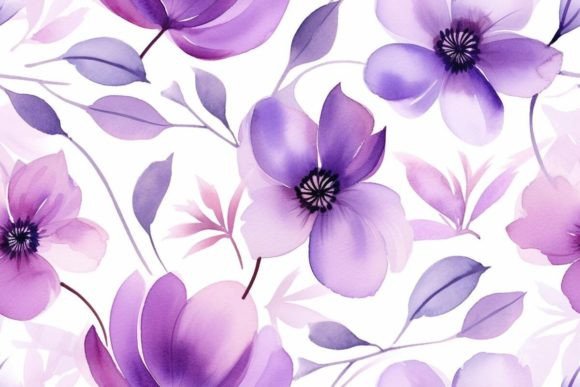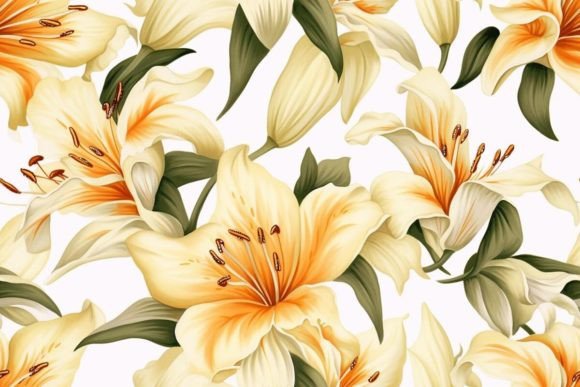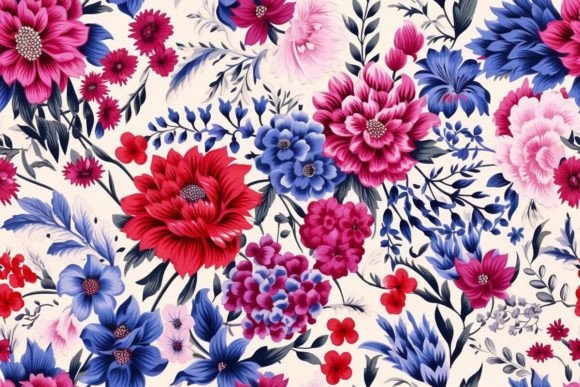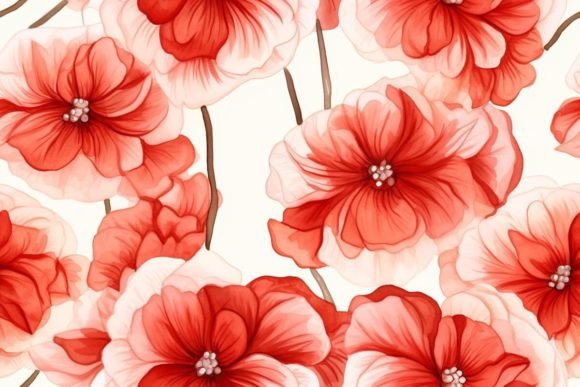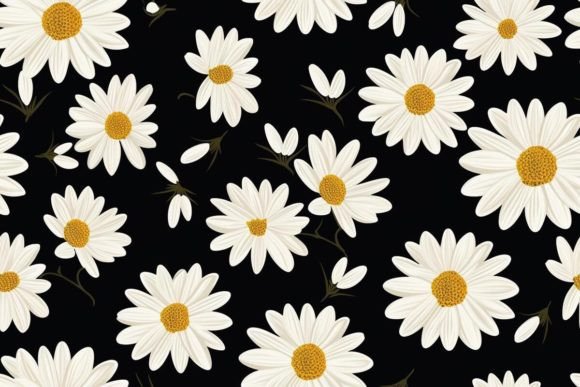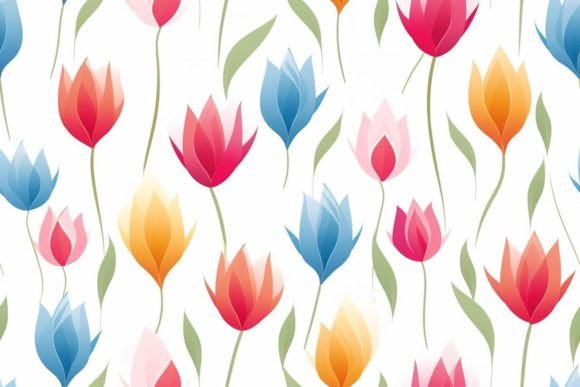
Nature Patterns Repeating Patterns: Exploring the Beauty and Utility of Natural Repetition
The world around us is filled with intricate designs that repeat in fascinating ways. From the spirals of seashells to the hexagonal patterns of honeycombs, Nature Patterns Repeating Patterns are not just visually stunning—they also serve functional purposes. Understanding these natural repetitions can provide insights into design, engineering, and even product development.
What Are Nature Patterns Repeating Patterns?
Nature Patterns Repeating Patterns refer to the recurring shapes, structures, and sequences found in the natural world. These patterns emerge from biological, physical, or chemical processes and are often optimized for efficiency, strength, or survival. Examples include fractal branching in trees, the Fibonacci sequence in flower petals, and the tessellated formations of animal skin.
These patterns are not random; they follow mathematical principles that have been studied for centuries. Researchers and designers alike look to nature for inspiration, as these repeating forms often represent optimal solutions to complex problems.
Why Nature Patterns Repeating Patterns Matter
The significance of Nature Patterns Repeating Patterns lies in their ability to offer practical applications across various fields. In architecture, for instance, the use of hexagonal structures mimics beehives, which are known for their strength and material efficiency. Similarly, in textile design, the repetition of motifs inspired by natural patterns adds aesthetic value while maintaining a sense of order.
Moreover, understanding these patterns helps in predicting natural phenomena. For example, the spiral pattern seen in galaxies and seashells follows the same logarithmic curve, indicating underlying universal principles at work.
Comparing Nature Patterns with Other Design Approaches
While Nature Patterns Repeating Patterns are deeply rooted in organic forms, they can be contrasted with other design methodologies. Industrial design often relies on geometric precision and symmetry, which may lack the fluidity and adaptability found in natural patterns. On the other hand, abstract art may prioritize emotional expression over functional optimization.
However, modern design trends increasingly blend the best of both worlds. Products that incorporate natural repetition in their structure or appearance tend to stand out for their unique appeal and perceived quality. This fusion of nature and function is particularly evident in eco-friendly products, where sustainability and aesthetics go hand in hand.
Strengths and Limitations of Nature Patterns Repeating Patterns
The primary strength of Nature Patterns Repeating Patterns is their inherent balance between form and function. They are often the result of evolutionary refinement, meaning they are well-suited for their intended purpose. Whether it's the aerodynamic shape of a bird’s wing or the efficient packing of seeds in a sunflower, these patterns have been tested by time.
Despite these advantages, there are limitations. Not all natural patterns are easily replicable in artificial settings. Some require specific materials or conditions to achieve the same effect. Additionally, while natural patterns can inspire innovation, they may not always be the most cost-effective solution in mass production scenarios.
When to Choose Nature Patterns Repeating Patterns
Nature Patterns Repeating Patterns are ideal for situations where aesthetics and functionality need to coexist. They are particularly useful in industries such as fashion, interior design, and sustainable manufacturing. If you're looking for a product that feels organic yet refined, these patterns can offer a compelling choice.
However, if your priority is rapid production or budget constraints, alternative approaches might be more suitable. It’s important to weigh the benefits of using natural patterns against the practicalities of your project or product.
Real-World Applications and Examples
One of the most notable real-world applications of Nature Patterns Repeating Patterns is in biomimicry. Engineers and scientists study natural patterns to develop innovative solutions. For instance, the lotus leaf’s surface structure has inspired water-repellent coatings used in everything from clothing to building materials.
In the realm of consumer products, items like woven baskets, decorative tiles, and even smartphone cases often feature repeating natural motifs. These designs not only catch the eye but also evoke a connection to the environment.
Another example is the use of fractal patterns in antenna design. By mimicking the branching structure of trees, engineers have created antennas that are more efficient at capturing signals across multiple frequencies.
Practical Considerations for Choosing Nature-Inspired Patterns
When considering whether to incorporate Nature Patterns Repeating Patterns into your work, several factors come into play. The availability of appropriate materials, the complexity of the pattern, and the target audience are all important considerations. A pattern that looks elegant on a high-end product may not translate well to a more utilitarian item.
Additionally, cultural context matters. Some natural patterns carry symbolic meanings that vary across regions. Ensuring that the chosen pattern aligns with the intended message or brand identity is crucial.
Alternatives and Competing Approaches
While Nature Patterns Repeating Patterns offer unique advantages, there are alternatives worth considering. Geometric patterns, for example, provide a structured and predictable approach that may be easier to reproduce at scale. Abstract designs, on the other hand, allow for greater creative freedom and can be tailored to specific themes or moods.
Synthetic or digital patterns are also popular choices, especially in graphic design and web development. These can be manipulated with software to create precise, repeatable visuals that fit specific needs without the constraints of natural forms.
Ultimately, the decision between natural and synthetic patterns depends on the goals of the project. Each has its own set of strengths and trade-offs, and the right choice will depend on the specific requirements and context.
Conclusion
Nature Patterns Repeating Patterns offer a rich source of inspiration and practical application. Their presence in the natural world speaks to their effectiveness and longevity. Whether you're an artist, designer, engineer, or simply someone interested in the beauty of the world around you, exploring these patterns can lead to new ideas and innovations.
As with any design choice, it’s important to consider the context, materials, and audience when deciding whether to use natural repetition in your work. By doing so, you can make an informed decision that balances aesthetics, functionality, and practicality.