Exploring the Beauty of Floral Design Elements: The Timeless Appeal of Lily Patterns
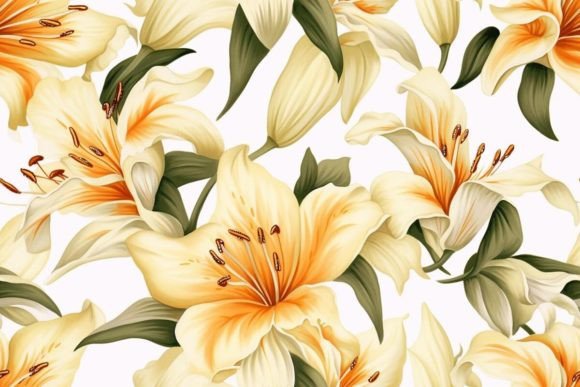
Lily patterns have been a beloved element in floral design for centuries. Their elegant and delicate appearance makes them a popular choice for various applications, from home decor to fashion and even digital art. In this article, we will delve into the world of floral design elements, focusing specifically on lily patterns. We’ll explore their significance, uses, and how they can enhance your creative projects.
The Significance of Lily Patterns in Floral Design
Lilies are not just beautiful flowers; they carry deep symbolism across cultures. In many traditions, lilies represent purity, devotion, and rebirth. This rich symbolism adds an extra layer of meaning when incorporating lily patterns into any design.
Floral design elements like lily patterns are widely used in different forms of art and craft. Whether it's embroidery, wallpaper, or fabric prints, lilies bring a sense of grace and sophistication. Understanding these elements allows designers to create pieces that resonate with viewers on both an aesthetic and emotional level.
Why Choose Lily Patterns?
- Elegance: Lily patterns are known for their graceful curves and soft colors, making them ideal for creating a serene atmosphere.
- Versatility: These patterns can be adapted to suit various styles, from traditional to contemporary.
- Cultural Relevance: Lilies have historical and cultural significance, which can add depth to any design project.
Applications of Lily Patterns in Modern Life
In today’s world, floral design elements such as lily patterns are more relevant than ever. They find their way into everyday life through various mediums:
Home Decor
Lily patterns are frequently seen in home decor items such as cushions, curtains, and wall art. These designs can transform a space, adding a touch of nature without the need for actual plants. For instance, a living room adorned with lily patterned cushions creates a calming environment that promotes relaxation.
Fashion and Textiles
Designers often incorporate lily patterns into clothing lines and accessories. From dresses to handbags, these floral motifs can elevate any outfit. The softness of lily patterns complements a wide range of fabrics, making them a versatile choice for fashion designers looking to infuse elegance into their collections.
Digital Art and Graphics
In the digital realm, lily patterns are used in graphic design for websites, logos, and social media visuals. Their intricate details make them suitable for high-quality images that capture attention. When designing for online platforms, using lily patterns can help convey a brand's identity effectively.
How to Incorporate Lily Patterns Into Your Projects
If you're interested in using lily patterns in your own projects, here are some practical tips:
Start with Research
Before diving into your design, take time to research different lily varieties and their characteristics. Understanding the nuances between types of lilies can inspire unique designs that reflect your personal style.
Experiment with Color Schemes
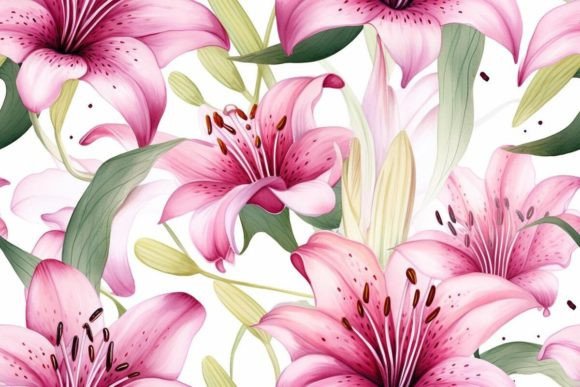
Lily patterns come in a variety of colors, from classic white to vibrant pink and purple. Experimenting with color combinations can lead to stunning results. Consider how each hue affects the overall mood of your design.
Use High-Quality Images
When working with digital designs, ensure that you use high-resolution images of lily patterns. This is crucial for maintaining clarity and detail in your final product. If you're unsure about where to source quality images, consider exploring reputable stock photo websites or creating your own.
Common Misconceptions About Lily Patterns
Despite their popularity, there are several misconceptions surrounding lily patterns that may prevent people from fully appreciating their potential:
Misconception 1: Lily Patterns Are Only for Traditional Designs
While lily patterns do have a classic appeal, they can also be integrated into modern and minimalist designs. By adjusting the scale and color palette, lily patterns can seamlessly blend into contemporary interiors or fashion pieces.
Misconception 2: Lily Patterns Are Too Complicated to Use
On the contrary, lily patterns can be simple and elegant. Many designers use them as a subtle background element rather than a dominant feature. This allows for versatility while still making a statement.
The Role of Lily Patterns in Education and Creativity
For those interested in learning about floral design, studying lily patterns offers valuable insights. Educational institutions often include floral design courses that teach students about various elements, including lilies. These lessons encourage creativity and appreciation for natural beauty.
Moreover, engaging with lily patterns can spark inspiration among artists and craftspeople. Whether through painting, drawing, or textile work, exploring these patterns can lead to innovative ideas and techniques.
Conclusion
In summary, lily patterns are a remarkable aspect of floral design elements that offer both aesthetic and symbolic value. Their versatility allows them to be used in numerous contexts, from home decor to fashion and digital art. As you continue to explore the world of floral design, remember that understanding the significance of elements like lily patterns can enhance your creative journey.
Whether you're a beginner or an experienced designer, incorporating lily patterns into your work can bring a fresh perspective and elevate your designs. So go ahead, embrace the beauty of lilies and let your creativity flourish!