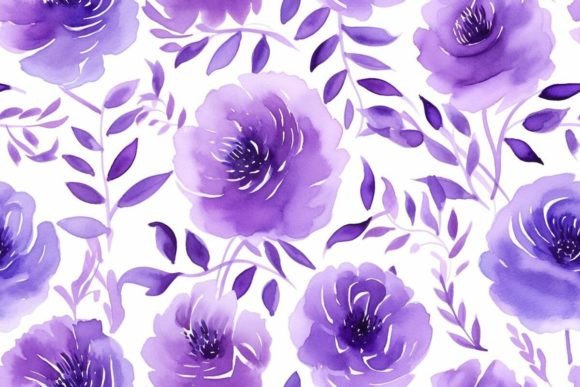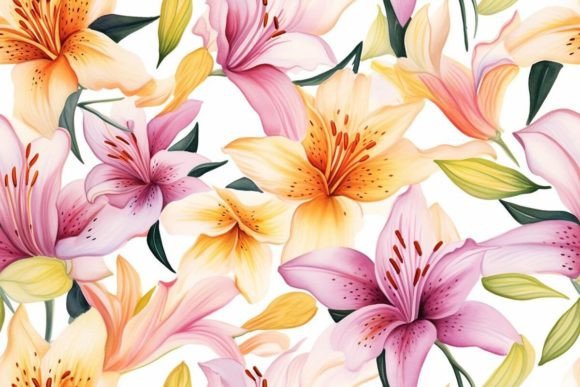
Repeating Pattern Plant Patterns for Creative Projects
Repeating pattern plant patterns offer a unique way to bring natural beauty into design projects. Whether you're working on digital art, print media, or interior decor, these patterns can enhance visual appeal while maintaining consistency across different formats. The key benefit lies in their ability to simplify complex designs and provide a cohesive look that's both aesthetically pleasing and functional.
Understanding Repeating Pattern Plant Patterns
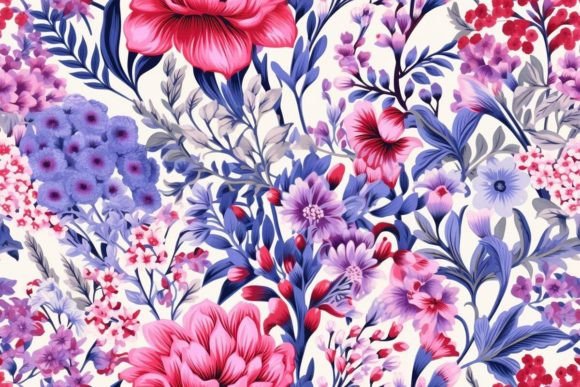
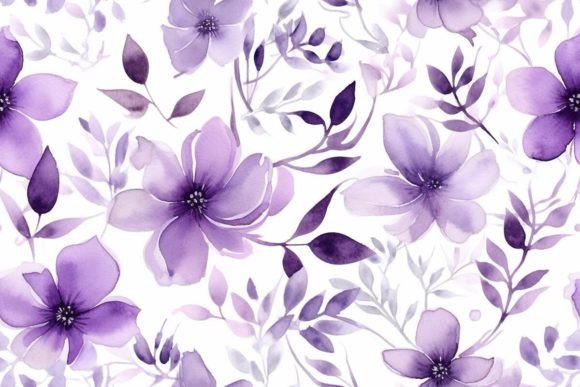
At its core, a repeating pattern plant pattern is a design element that repeats seamlessly across a surface or canvas. This repetition creates a sense of rhythm and balance, which can be especially useful in backgrounds, textiles, and graphic elements. Unlike static images, repeating patterns allow for scalability without losing clarity or detail.
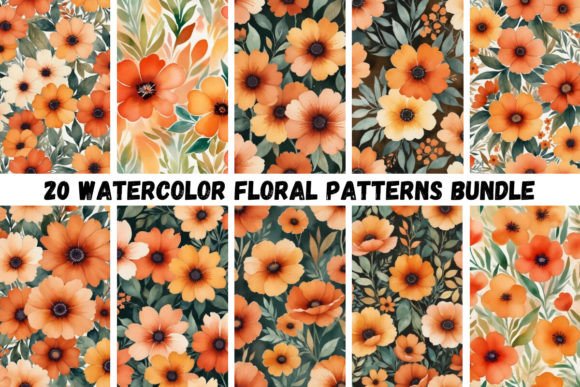
When you download the JPG file included in the ZIP package, you'll find a high-quality image that can be used as a base for various creative endeavors. The file format ensures compatibility with most design software, making it easy to integrate into your workflow.
Why Repeating Pattern Plant Patterns Matter
For professionals and creatives, the use of repeating pattern plant patterns can significantly reduce the time spent on designing backgrounds or textures. Instead of creating each element from scratch, you can rely on a pre-designed pattern that maintains visual harmony throughout your project.
Designers often struggle with finding the right texture or background that complements their work. A well-crafted repeating pattern plant pattern eliminates this challenge by providing a ready-made solution that can be easily adjusted to fit different needs. For example, a designer working on a website might use a subtle plant pattern as a background to add depth without overwhelming the content.
Practical Benefits for Different Users
- Graphic Designers: Use these patterns to create visually appealing layouts without the need for intricate illustrations.
- Interior Decorators: Incorporate plant patterns into wall coverings, cushions, or curtains for a nature-inspired aesthetic.
- Print Publishers: Enhance book covers or magazine spreads with textured backgrounds that reflect the theme of the content.
- Entrepreneurs: Add a touch of elegance to product packaging or branding materials with seamless plant patterns.
The versatility of these patterns makes them suitable for a wide range of applications. Their ability to blend seamlessly into any design means they can be used as accents, backgrounds, or even as focal points depending on how they are implemented.
How to Get the Most Out of Repeating Pattern Plant Patterns
To maximize the value of the JPG file provided, consider the following tips:
- Experiment with Scales: Adjust the size of the pattern to see how it interacts with other design elements. A larger scale may work better for bold statements, while a smaller scale offers subtlety.
- Combine with Other Elements: Layer the pattern with text, icons, or photographs to create dynamic compositions. The contrast between the organic feel of the plant pattern and more structured elements can lead to striking results.
- Customize Colors: While the original pattern comes in a specific color palette, you can recolor it using design software to match your brand colors or project requirements.
These adjustments ensure that the pattern remains relevant and effective across different contexts. It's also worth noting that the JPG file format allows for high-resolution printing, which is essential when producing physical materials like posters, banners, or promotional items.
Considerations and Limitations
While repeating pattern plant patterns offer many advantages, there are some limitations to keep in mind. For instance, if the pattern is too busy or detailed, it may not work well as a background for text-heavy content. In such cases, it's best to simplify the pattern or use it sparingly.
Additionally, the effectiveness of the pattern depends heavily on the context in which it's used. What works well for a digital poster might not translate effectively to a printed brochure. Always test the pattern in different formats and environments before finalizing your design.
Another consideration is the potential for misinterpretation due to randomly generated titles. Since the title might not accurately reflect the content inside the ZIP file, it's important to focus on the actual image rather than relying solely on the title for guidance.
Who Should Consider Using Repeating Pattern Plant Patterns
Anyone involved in creative or design-related work can benefit from using repeating pattern plant patterns. This includes graphic designers, web developers, marketing professionals, educators, and even hobbyists looking to elevate their personal projects.
Professionals who frequently need to produce visual content will find these patterns particularly useful. They provide a quick and efficient way to add visual interest without compromising on quality. Educators, for example, can use plant patterns in classroom materials to make learning more engaging and visually stimulating.
Entrepreneurs launching new products can also leverage these patterns to create eye-catching packaging or promotional materials. The natural aesthetic of plant patterns can help convey a sense of sustainability and eco-friendliness, which resonates well with modern consumers.
If you're someone who values efficiency and creativity in your work, repeating pattern plant patterns could be a valuable addition to your toolkit. By incorporating them into your projects, you can achieve professional results with less effort and more impact.
Remember, the goal is to enhance your designs, not overwhelm them. Use the pattern thoughtfully and strategically to ensure it supports the overall message or purpose of your project.
Whether you're a seasoned professional or just starting out, the flexibility and adaptability of repeating pattern plant patterns make them a worthwhile resource. Explore different ways to use them and discover how they can contribute to your creative success.