Repeating Patterns Art in Fashion Design: A Creative Exploration
Repeating patterns art has long been a cornerstone of visual creativity, offering endless possibilities for expression and innovation. In the world of fashion design, these intricate designs serve as both a decorative element and a storytelling device. This article delves into the significance of repeating patterns art in fashion design, exploring its purpose, characteristics, and the diverse applications it offers to creators and consumers alike.
The Essence of Repeating Patterns in Fashion
At its core, repeating patterns art involves the use of motifs that are replicated across a surface to create a cohesive visual effect. In fashion design, this can be seen in everything from fabric prints to textile designs. The repetition creates rhythm and harmony, allowing designers to craft pieces that are visually engaging and conceptually rich.
Key Characteristics:
- Visual Rhythm: Repetition provides a sense of movement and flow, guiding the eye through the design.
- Cultural Significance: Many patterns carry historical or cultural meanings, adding depth to the fashion piece.
- Versatility: These patterns can be adapted to various styles, from minimalist to maximalist.
Purpose and Value in Fashion Design
The integration of repeating patterns art in fashion design serves multiple purposes. It not only enhances the aesthetic appeal of garments but also allows for personal expression and storytelling. Designers often use these patterns to convey themes, emotions, or even social messages through their work.
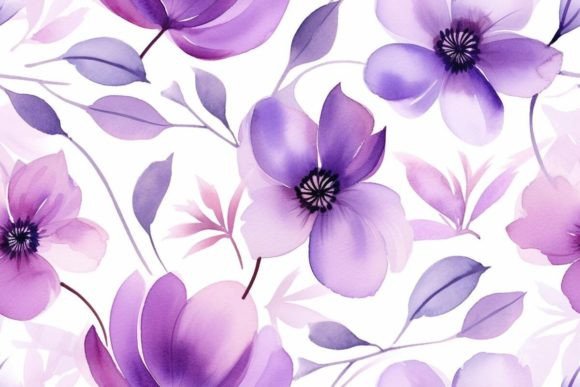
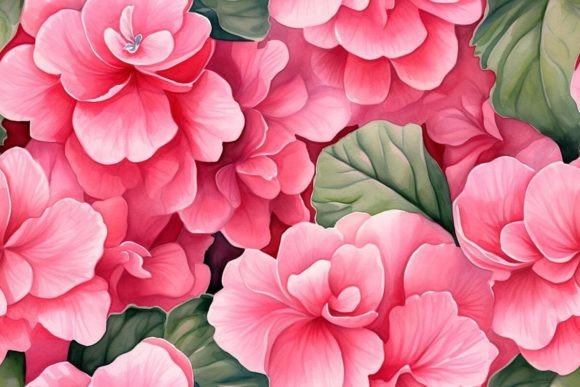
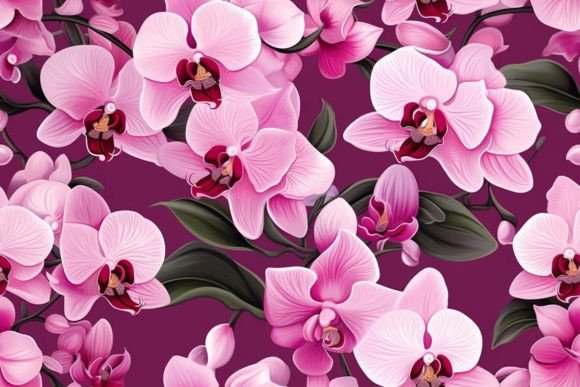
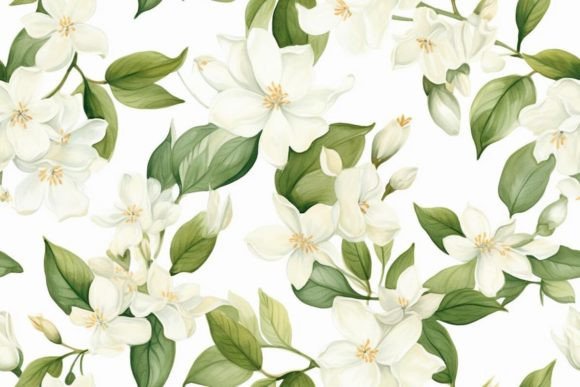
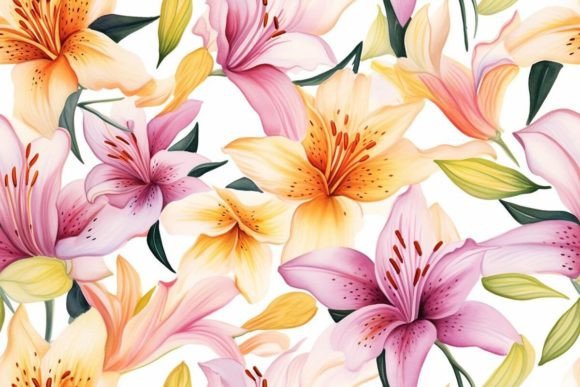
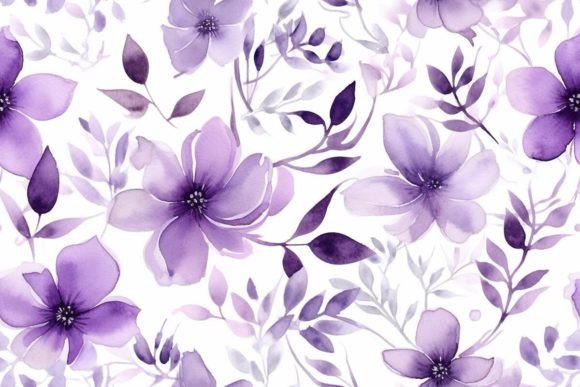
For instance, a designer might choose a floral pattern to evoke feelings of nature and growth, while geometric shapes may suggest modernity and structure. This ability to communicate through design is one of the most compelling aspects of repeating patterns in fashion.
Applications Across Different Styles
Repeating patterns can be found in a wide range of fashion styles, making them incredibly versatile. Here are some common applications:
- Printed Fabrics: From dresses to skirts, printed fabrics with repeating patterns add texture and interest.
- Accessories: Scarves, handbags, and shoes often feature repeating patterns to complement outfits.
- Home Decor: While primarily focused on clothing, repeating patterns also find their way into home decor items like cushions and curtains.
This adaptability means that whether you're shopping for a new outfit or looking to refresh your living space, repeating patterns art can enhance your choices.
Who Benefits from Repeating Patterns Art?
While fashion enthusiasts and professionals benefit greatly from repeating patterns art, there are several other groups who can appreciate and utilize these designs:
- Designers: They use repeating patterns to express their artistic vision and connect with audiences.
- Consumers: Individuals looking for unique, expressive clothing options can find inspiration in these patterns.
- Business Owners: Retailers and brands can leverage these designs to create distinctive product lines that stand out in the market.
- Artists: Those interested in visual arts can explore the intersection of art and fashion through repeating patterns.
By understanding the potential of repeating patterns art, these individuals can make informed decisions about how to incorporate these designs into their lives and work.
Strengths and Considerations
While repeating patterns art offers numerous benefits, it's important to consider certain factors when selecting or creating these designs:
- Balance: Too much repetition can overwhelm the viewer; finding the right balance is crucial.
- Scale: The size of the pattern can significantly affect the overall look of the garment or accessory.
- Color Palette: Choosing the right colors to complement the pattern is essential for achieving a harmonious design.
These considerations ensure that the final product not only looks good but also feels cohesive and intentional.
Real-World Examples and Scenarios
To better understand how repeating patterns art functions in real life, let’s examine a few scenarios:
Scenario 1: A Designer’s Collection
A fashion designer launches a new collection featuring bold, repeating geometric patterns on tailored blazers and skirts. The patterns are carefully chosen to reflect the theme of urban architecture, creating a modern and edgy look that resonates with the target audience.
Scenario 2: Custom Apparel
An individual commissions a custom dress with a hand-painted repeating pattern inspired by traditional Japanese textiles. The result is a unique piece that tells a story and showcases the beauty of cultural heritage.
Scenario 3: Retail Branding
A boutique brand uses repeating patterns on their packaging and promotional materials to create a cohesive brand identity that stands out in a competitive marketplace.
These examples illustrate how repeating patterns art can be applied in various contexts, enhancing both the visual appeal and the narrative behind the designs.
Evaluating Suitability for Your Needs
When considering whether repeating patterns art is suitable for your project or personal style, it's essential to evaluate several factors:
- Personal Style: Do you prefer more subtle or more vibrant designs?
- Occasion: Is the item intended for casual wear or formal events?
- Functionality: Will the pattern interfere with the garment's functionality or comfort?
By taking these aspects into account, you can determine if repeating patterns art aligns with your needs and preferences.
Conclusion: Embracing the Beauty of Repeating Patterns
Repeating patterns art in fashion design is a powerful tool that allows for creative expression, cultural storytelling, and aesthetic enhancement. Whether you're a designer, consumer, or business owner, understanding the value of these patterns can lead to more meaningful and impactful creations.
As you explore the world of fashion and design, consider how repeating patterns can enrich your projects and inspire your choices. With careful consideration and a keen eye for detail, you can harness the beauty of repeating patterns art to create something truly unique and memorable.