Textile Patterns Graphic Elements: A Guide to Understanding and Using Them
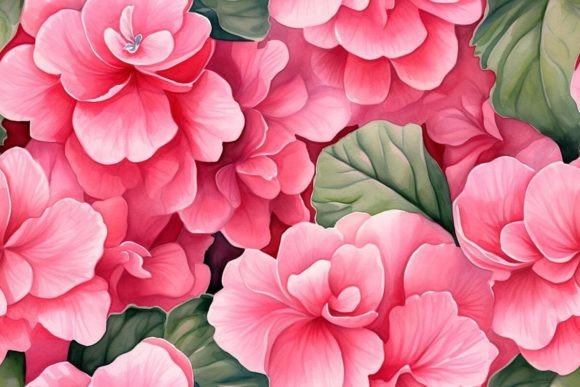
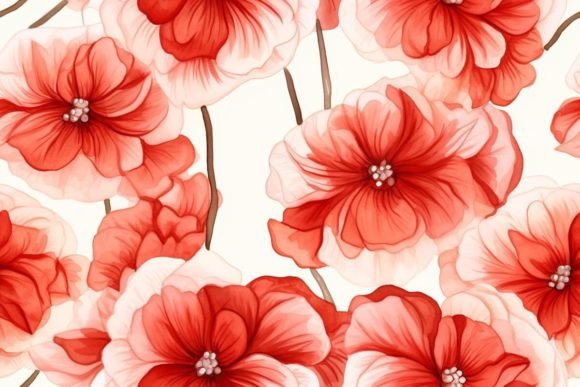
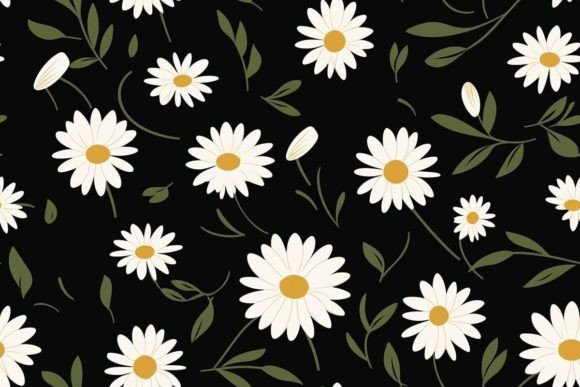
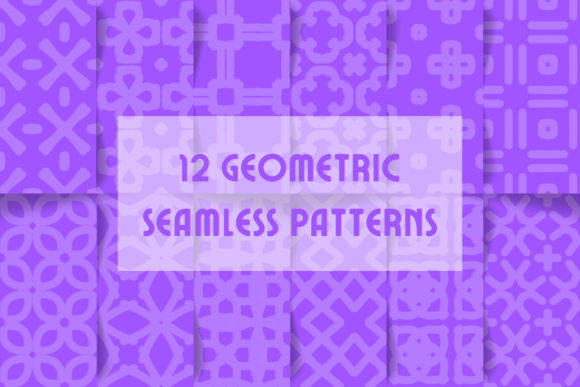
Textile patterns graphic elements refer to the visual components used in textile design to create decorative, functional, or symbolic designs on fabrics. These elements can range from simple geometric shapes to intricate floral motifs and are often used in fashion, home décor, and industrial textiles. Whether you're a designer, manufacturer, or consumer, understanding these elements can help you make more informed decisions about the products you use or create.
When exploring textile patterns, it's important to consider not just their aesthetic appeal but also their practicality and versatility. The choice of pattern can influence everything from the comfort of a garment to the durability of a fabric. In this article, we'll explore what textile patterns graphic elements are, why they matter, and how they can be effectively used in various contexts.
What Are Textile Patterns Graphic Elements?
Textile patterns graphic elements are the building blocks of textile design. They include lines, shapes, colors, and textures that come together to form a cohesive design. These elements can be created using traditional techniques like hand-dyeing and embroidery or modern methods such as digital printing and laser cutting.
The key to successful textile pattern design lies in the balance between creativity and functionality. A well-designed pattern should enhance the fabric's properties while also meeting the intended purpose of the product. For example, a pattern used in upholstery should be durable and easy to clean, whereas a pattern for a dress might prioritize elegance and flow.
Why Are Textile Patterns Graphic Elements Important?
Textile patterns graphic elements play a crucial role in both the visual and tactile experience of a product. They can convey cultural significance, personal style, or brand identity. For instance, traditional patterns may be used to celebrate heritage, while contemporary designs can reflect current trends.
Moreover, these elements can affect the way light interacts with the fabric, influencing its appearance under different lighting conditions. This makes them an essential consideration for designers aiming to achieve specific visual effects.
From a practical standpoint, textile patterns can also impact the performance of the fabric. Certain patterns may allow for better breathability or moisture-wicking properties, making them suitable for specific applications such as sportswear or outdoor gear.
Benefits of Using Textile Patterns Graphic Elements
One of the main benefits of incorporating textile patterns graphic elements is the ability to add visual interest and uniqueness to a product. These patterns can transform a plain fabric into something eye-catching and memorable.
Another advantage is the flexibility they offer in terms of customization. With the right tools and techniques, designers can create bespoke patterns tailored to individual preferences or brand requirements. This level of personalization can be especially valuable in niche markets where standing out is key.
Additionally, textile patterns can serve as a form of storytelling. Through the use of symbols, motifs, and color schemes, patterns can communicate messages, evoke emotions, or represent certain values. This makes them a powerful tool for branding and marketing.
Considerations and Tradeoffs
While textile patterns graphic elements offer many benefits, there are also some considerations and tradeoffs to keep in mind. One of the primary challenges is ensuring that the pattern complements the overall design and doesn't overwhelm the product. A busy pattern may be distracting in a minimalist setting, while a simple pattern may lack the visual impact needed for a bold statement.
Cost is another factor to consider. Creating custom patterns can be expensive, especially when using high-quality materials or advanced production techniques. It's important to weigh the investment against the potential return, particularly if the product is intended for mass production.
Lastly, the environmental impact of textile patterns should not be overlooked. Some dyes and printing processes can be harmful to the environment, so it's worth exploring eco-friendly alternatives whenever possible.
Situations Where Textile Patterns Graphic Elements Are a Strong Fit
Textile patterns graphic elements are particularly well-suited for projects where visual appeal is a priority. This includes fashion collections, interior design, and promotional merchandise. In these cases, the right pattern can elevate the design and make the product more attractive to consumers.
They are also ideal for creating thematic or seasonal collections. For example, a line of clothing featuring autumn-inspired patterns can resonate strongly with customers during that time of year.
In addition, textile patterns can be beneficial in industries where brand recognition is crucial. A consistent and distinctive pattern can become synonymous with a brand, helping to build customer loyalty and awareness.
Alternatives to Consider
If textile patterns graphic elements don't align with your goals, there are several alternatives worth considering. Solid colors, for instance, offer a clean and versatile option that can be easier to match with other elements in a design. They also tend to be more cost-effective than complex patterns.
Another alternative is using texture rather than pattern to add depth and interest to a fabric. Techniques such as quilting, knitting, or weaving can create unique tactile experiences without relying on visual graphics.
For those looking for a more dynamic approach, mixed media can be an excellent choice. Combining different materials and techniques can result in innovative designs that stand out from traditional patterns.
Practical Insights for Decision-Making
When deciding whether to incorporate textile patterns graphic elements into your project, start by defining your objectives. Are you aiming to create a bold statement, evoke a particular emotion, or simply enhance the aesthetics of a product? Clarifying your goals will help guide your choices.
Next, consider your target audience. What do they value? If they prefer simplicity, a subtle pattern may be more appropriate than an intricate one. On the other hand, if they appreciate artistic expression, a more detailed design could be the way to go.
Finally, evaluate the resources available to you. Do you have access to the necessary tools, materials, and expertise to bring your vision to life? If not, it may be worth exploring collaborations or outsourcing to ensure quality and efficiency.
By carefully weighing these factors, you can determine whether textile patterns graphic elements are the right choice for your needs and make a decision that aligns with your goals and expectations.