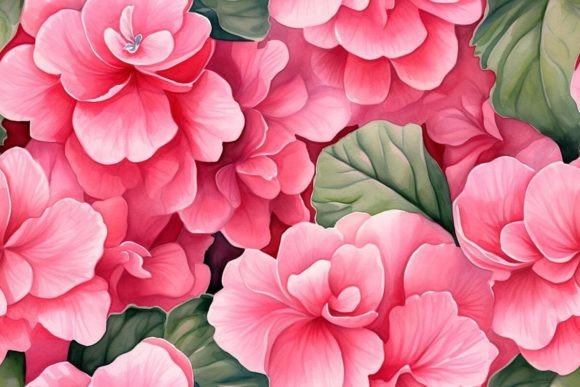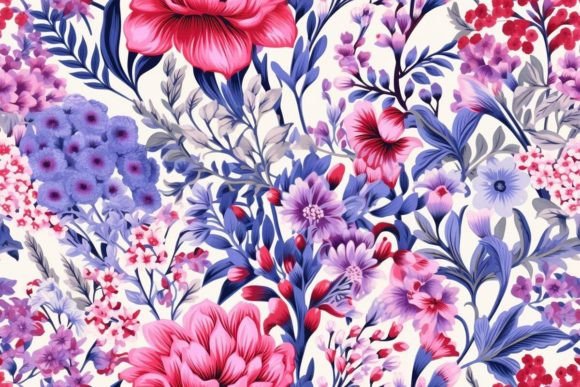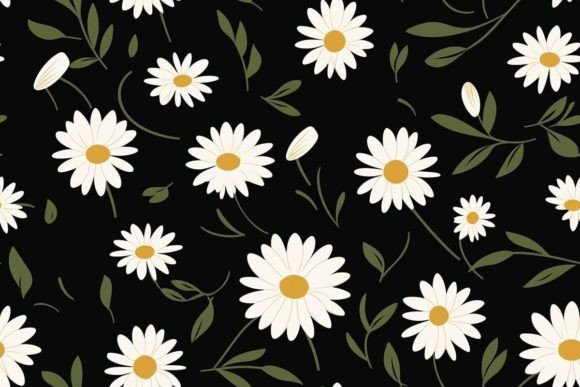
Textile Patterns Graphic Illustration
The visual language of fabric has always been a bridge between utility and art. Textile patterns graphic illustration represents a specific intersection where digital design meets traditional craftsmanship, offering a versatile toolkit for creators who need to communicate texture, rhythm, and style without the physical constraints of weaving or printing. When you engage with this medium, you are not just selecting a background; you are choosing a structural element that defines the identity of a product, a brand, or a presentation.
Consider the workflow of a fashion designer preparing a seasonal collection. The process often involves sketching concepts, sourcing materials, and creating technical flats. Integrating high-quality graphic illustrations into this pipeline allows for rapid prototyping. Instead of waiting weeks for a physical sample to be dyed and printed, a designer can visualize how a complex geometric motif will look on silk versus cotton using digital assets. This shift accelerates the decision-making process, allowing teams to pivot quickly based on visual feedback rather than material limitations.
Understanding the Asset Structure
In the realm of digital resources, clarity regarding file formats is essential for professional execution. A common scenario involves receiving a package labeled as a comprehensive suite, only to find it contains a single JPG file. While this might initially seem limiting compared to vector suites or layered PSDs, there is a distinct utility in having a finalized, high-resolution raster image ready for immediate use.
The nature of a JPG format in this context suggests a finished product. It eliminates the need for rendering or exporting from complex software layers. For many users, particularly those managing tight deadlines, a single, well-composed image saves valuable time. You can drag the file directly into a layout program, a web editor, or a print preparation tool without worrying about missing fonts or broken links. The trade-off is flexibility, but the gain is speed and compatibility across almost any platform.
It is important to note that titles associated with such files are sometimes randomly generated. Relying solely on the filename can be misleading if the goal is to find a specific style. Therefore, the most effective approach is to focus entirely on the visual content within the image itself. By examining the actual pattern density, color palette, and repetition logic, you can determine if the asset fits your project needs regardless of what the metadata claims.
Practical Applications for Professionals
The value of textile patterns graphic illustration extends far beyond the fashion industry. Marketers and content creators frequently struggle with finding unique backgrounds that convey a sense of warmth, creativity, or sophistication. Generic stock photos often feel sterile or overused. A custom or curated textile pattern provides an immediate atmospheric cue that helps audiences connect emotionally with the content.
- E-commerce Product Photography: When showcasing apparel or home goods, placing the item against a patterned backdrop adds depth and context. A simple white background is functional, but a textured graphic illustration can elevate the perceived value of the product by suggesting a lifestyle or aesthetic theme.
- Brand Identity Systems: Logos and stationery benefit from subtle textural elements. Incorporating a textile-inspired graphic into business cards or website headers can differentiate a brand from competitors who rely on flat, solid colors. This attention to detail signals a commitment to quality and design integrity.
- Editorial and Publishing: Bloggers and educators often need to break up long blocks of text. Using a section divider featuring a graphic illustration of woven lines or floral motifs can improve readability and guide the reader's eye through the narrative flow.
For freelancers and small business owners, efficiency is paramount. The ability to quickly generate mockups for clients is a significant competitive advantage. If a client wants to see how their logo would look on a tote bag or a shirt, having a library of textile patterns allows you to provide realistic presentations instantly. This capability strengthens communication by turning abstract ideas into tangible visuals, reducing the back-and-forth required to approve a concept.
Navigating Limitations and Best Practices
While the convenience of a single JPG file is appealing, it comes with inherent limitations that professionals must navigate. Unlike vector graphics, which can be scaled infinitely without loss of quality, a raster image like a JPG has a fixed resolution. If you attempt to enlarge the image significantly for large-format printing, such as a billboard or a wide banner, the pixels may become visible, resulting in a blurry or jagged appearance.
To mitigate this, always check the dimensions and DPI (dots per inch) of the image before starting a project. If the source file is 300 DPI at 4x6 inches, it is suitable for standard prints but insufficient for large displays. In these cases, the best practice is to use the image as a texture overlay in smaller applications or combine it with other design elements to mask potential pixelation. Understanding these constraints prevents costly errors and ensures the final output remains sharp and professional.
Furthermore, because the title of the file may not accurately describe the content, users should develop a habit of previewing the asset before committing to a workflow. This step is crucial for maintaining consistency in a larger body of work. If you are building a cohesive brand kit, mixing a highly detailed, busy textile pattern with minimalist layouts requires careful balancing. The pattern should support the message, not overwhelm it.
Supporting Creativity and Collaboration
One of the most underappreciated benefits of using graphic illustrations for textile designs is their ability to spark collaboration. When working in a team, a visual reference is often more effective than a verbal description. Sharing a specific pattern file can align the vision of designers, marketers, and stakeholders immediately. It serves as a concrete anchor point for discussions about color theory, spatial arrangement, and mood.
This shared visual language simplifies decisions. Instead of debating whether a background should be "calm" or "energetic," the team can refer to the specific characteristics of the chosen illustration. This reduces ambiguity and speeds up the approval process. For educators and hobbyists, these assets also serve as excellent teaching tools for demonstrating principles of repetition, symmetry, and color harmony in a practical setting.
However, it is worth noting that not every project requires a pre-made pattern. If a brand demands a unique, proprietary design that cannot be found in existing libraries, the limitations of off-the-shelf assets become apparent. In such scenarios, users might consider commissioning a custom design or learning basic vector techniques to create their own variations. Comparing options is always wise; sometimes a generic pattern is the perfect solution, while other times, a bespoke approach is necessary to truly stand out.
Maximizing Value Through Intentional Use
The ultimate goal of integrating textile patterns graphic illustration into your workflow is to enhance the quality of your output without compromising efficiency. Whether you are a publisher looking to make a book cover pop, a freelancer pitching a rebrand, or a consumer looking to customize a personal project, the key lies in intentional application.
Treat these images as foundational elements rather than afterthoughts. Plan your composition so that the pattern complements the primary subject matter. Ensure that the contrast between the text and the background is sufficient for readability. And remember that the quality of the final result depends heavily on how well the asset integrates with the rest of the design system. By approaching these resources with a strategic mindset, you transform a simple image file into a powerful tool for storytelling and problem-solving.
Ultimately, the success of any design project relies on the choices made during the planning phase. Selecting the right graphic illustration sets the tone for the entire piece. It is a decision that balances aesthetic appeal with functional requirements. As you explore different styles and formats, keep your audience in mind. Does this pattern resonate with them? Does it communicate the intended message clearly? These questions will guide you toward making the most of the resources available to you.