Blooming Patterns Flower Illustrations: A Practical Guide to Smart Selection and Usage
If you are looking to add a touch of organic elegance to your digital projects, Blooming Patterns Flower Illustrations offer a versatile solution for designers, bloggers, and small business owners alike. These assets are designed to bring life to websites, packaging, social media graphics, and educational materials. However, navigating the world of digital downloads requires more than just clicking "buy." Many creators rush into acquiring visual assets without understanding the nuances of file formats or licensing, leading to frustrating outcomes that compromise their final presentation.
The specific collection you are exploring comes as a ZIP archive containing essential resources. While the marketing copy often highlights random titles, the true value lies in the visual content itself. It is crucial to understand that the filenames provided in the download package may be randomly generated and can sometimes be misleading. Relying on these text labels to identify the specific floral motifs you need is a common pitfall that wastes valuable time during the design process.
Navigating File Formats and Visual Accuracy
One of the most significant misunderstandings regarding this type of asset pack involves the file structure. The package includes a JPG file, which serves as a primary reference or preview. While JPGs are widely compatible and easy to share, they are raster images, meaning they are made of pixels. If you plan to use these illustrations for large-scale printing, such as banners, posters, or high-resolution packaging, starting with a low-resolution JPG can result in pixelation and a loss of professional quality.
Beginners often mistake a preview image for a usable source file. When scaling up a JPG beyond its original dimensions, the image becomes blurry, destroying the delicate details of the blooming patterns. To avoid this, always verify the resolution before committing to a project. If you require vector-based scalability, you might need to look for additional formats like SVG or EPS, or be prepared to trace the artwork manually if those formats are not included in the standard download.
Pro Tip: Before downloading, check the description carefully to see if vector files are available. If only JPGs are listed, ensure your intended use case matches the resolution limits of raster images.
The Importance of Image Verification Over Titles
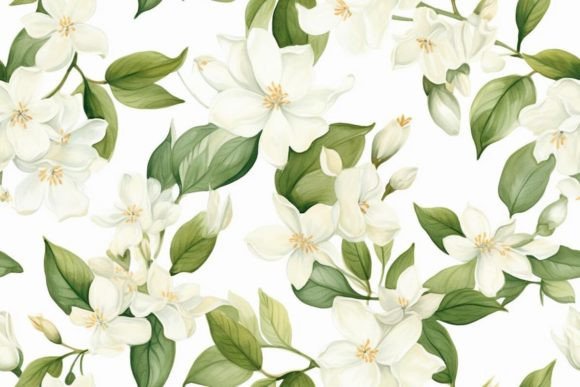
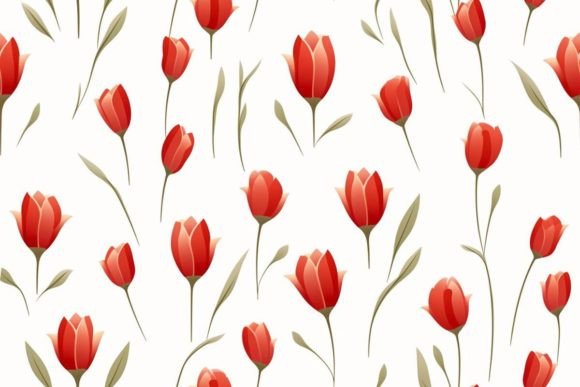
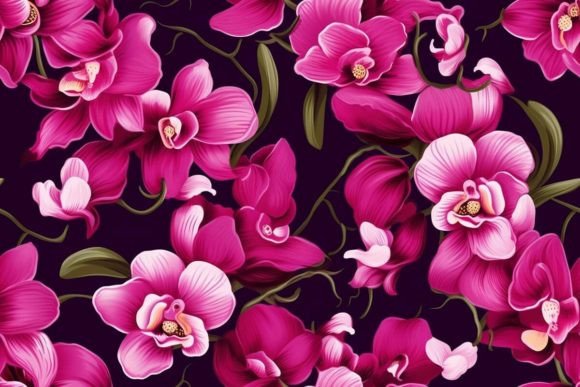
Another critical area where users make poor decisions is relying on metadata or file names. In many digital marketplaces, automated systems generate filenames that do not accurately reflect the content. You might see a name suggesting a "Rose" pattern when the image actually depicts "Tulips" or an abstract floral arrangement. This discrepancy can disrupt workflow, especially for professionals working under tight deadlines.
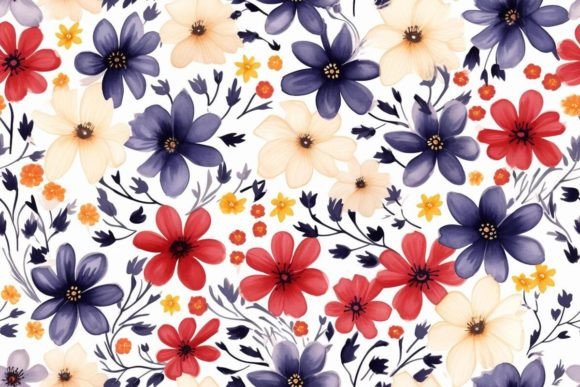
To mitigate this risk, adopt a habit of opening every file immediately after extraction. Do not trust the filename alone. Create a quick folder structure and organize the images by visual theme rather than text. This approach ensures that you have a clear overview of exactly what you possess. By focusing on the product images instead of the potentially misleading notes, you save hours of searching and prevent the embarrassment of using the wrong graphic in a client presentation.
Evaluating Quality and Licensing Constraints
When selecting floral illustrations, the aesthetic appeal is just one factor. Equally important is the technical quality and the legal permissions attached to the file. Low-quality illustrations often suffer from inconsistent line weights, muddy colors, or artifacts that appear upon zooming in. These flaws can undermine the credibility of a brand or a blog post, making even a well-written article look amateurish.
Furthermore, the usage rights associated with Blooming Patterns Flower Illustrations vary significantly between vendors. Some licenses restrict commercial use, while others allow unlimited reproduction but forbid redistribution. Ignoring these terms can lead to legal complications later on. Always read the fine print regarding how the images can be modified, whether they can be used in merchandise for sale, and if attribution is required.
- Check Resolution: Ensure the image size meets your project's DPI requirements (usually 300 DPI for print).
- Verify Colors: Confirm if the color mode is RGB (for screens) or CMYK (for print), as converting between them can alter the vibrancy of the flowers.
- Review License Terms: Determine if you need a personal or commercial license for your specific use case.
Avoiding Common Workflow Bottlenecks
Few things are more demoralizing than realizing halfway through a project that your assets are unusable. This often happens when creators assume all "flower illustration packs" are created equal. In reality, some packs contain complex layer structures that are difficult to edit, while others are flattened images that offer no flexibility. If you intend to change the background color or isolate specific petals, you need a layered PSD or a vector file, not a single flat JPG.
For freelancers and entrepreneurs, efficiency is money. Spending time trying to separate elements from a flattened image is inefficient and often yields poor results. Instead, prioritize assets that come with editable layers or vector paths. If the documentation does not explicitly state that layers are included, assume they are not. It is better to spend a few extra minutes reading the product details than to waste days trying to fix a non-editable image.
Making the Right Choice for Your Project
Before finalizing your purchase or download, take a moment to assess your specific needs. Are you creating a wedding invitation? You will need high-resolution, elegant lines. Is it for a children's book? Bright, bold, and simple shapes might be more appropriate. Matching the style of the Blooming Patterns Flower Illustrations to the tone of your project is essential for maintaining a cohesive visual identity.
It is also wise to look at the creator's portfolio or previous work. A reputable seller usually provides consistent quality and clear communication. If a listing includes vague descriptions or lacks sample images, proceed with caution. Trustworthy vendors often encourage feedback and provide clear instructions on how to use the files effectively.
Remember that user reviews can be a double-edged sword. While they offer social proof, they should be weighed against your own technical requirements. A review might praise the "beautiful design" while ignoring the fact that the file was too small for print. Always cross-reference reviews with your own checklist of technical specifications.
Final Thoughts on Asset Management
In conclusion, successfully integrating floral illustrations into your work requires a blend of artistic appreciation and technical diligence. By avoiding the trap of relying on misleading titles, verifying file resolutions, and understanding licensing constraints, you ensure that your projects remain professional and legally sound. Whether you are a hobbyist decorating a scrapbook or a marketer designing a campaign, taking the time to evaluate your assets properly will pay off in the quality of your final output.
Always remember that the best tool for the job is the one that fits your specific workflow. Don't let a lack of preparation hinder your creativity. Take a close look at the actual product images, respect the limitations of the file format, and enjoy the beauty that Blooming Patterns Flower Illustrations can bring to your work.