Botanical Art Repeating Patterns: A Practical Guide for Creative and Professional Workflows
Botanical art repeating patterns offer a unique blend of natural beauty and structured design, making them a valuable asset in various creative and professional workflows. These patterns are derived from the intricate details of plant life, reimagined through artistic interpretation to form cohesive, repeatable designs. Whether you're an artist, designer, educator, or entrepreneur, understanding how to integrate botanical art repeating patterns into your process can enhance visual appeal, streamline production, and add a touch of organic elegance to your projects.
Understanding Botanical Art Repeating Patterns
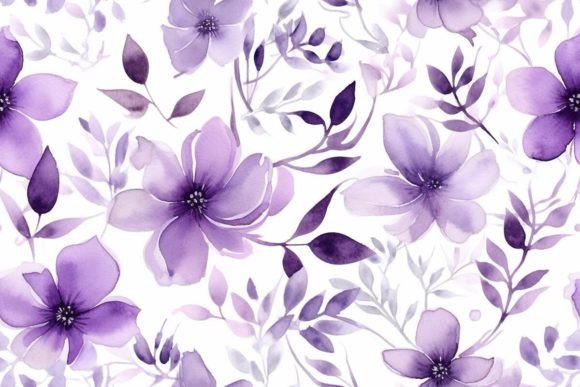
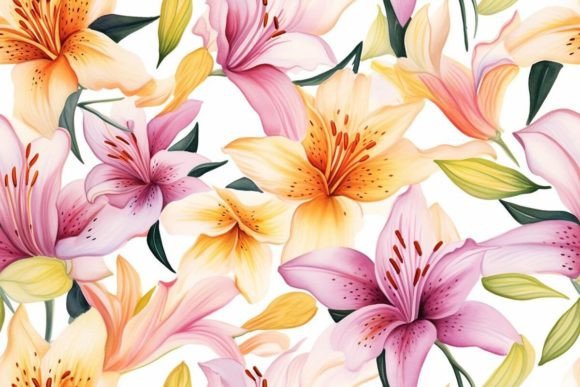
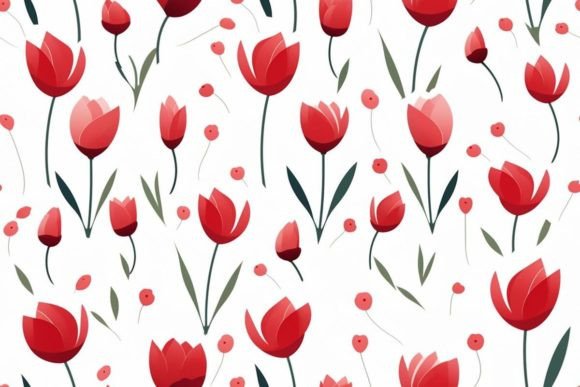
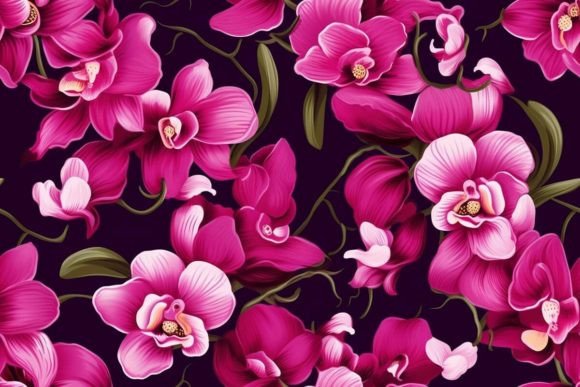
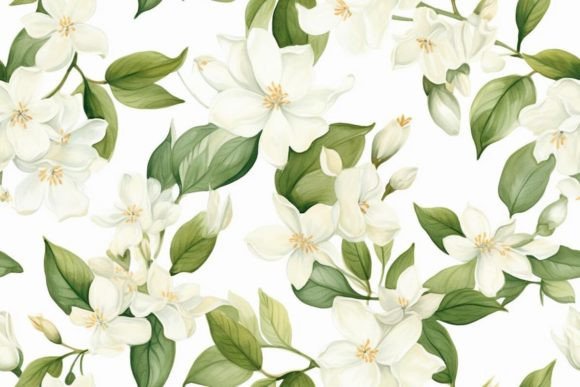
Botanical art repeating patterns are created by taking detailed illustrations of plants, flowers, leaves, or other botanical elements and arranging them in a way that allows the pattern to seamlessly repeat across a surface. This technique is commonly used in textile design, wallpaper, graphic design, and even digital media. The key to successful botanical art repeating patterns lies in maintaining the integrity of the original illustration while ensuring the pattern flows naturally when repeated.
These patterns are not only visually appealing but also highly versatile. They can be scaled, adjusted, and adapted to fit different mediums and purposes. For example, a delicate floral pattern might be used for a fabric print, while a more geometric arrangement could work well as a background for a website or marketing material.
Where Botanical Art Repeating Patterns Fit in Your Workflow
Botanical art repeating patterns can be integrated at various stages of a project, depending on the goals and requirements. Here's how they can be used before, during, and after a project:
- Before a Project: Use botanical art repeating patterns as inspiration or mood boards to set the visual tone for a new design, product line, or branding initiative. They can help align stakeholders on the aesthetic direction and ensure consistency throughout the project.
- During a Project: Incorporate these patterns into the actual design phase. Whether you're working on a textile collection, packaging design, or digital assets, using pre-designed botanical art repeating patterns can save time and maintain a high level of quality.
- After a Project: Use these patterns for promotional materials, social media content, or follow-up campaigns. Their timeless appeal makes them ideal for creating a cohesive brand image over time.
How Botanical Art Repeating Patterns Interact with Other Tools and Resources
Botanical art repeating patterns work well with a variety of tools and resources, enhancing their usability across different platforms and industries. For instance:
- Design Software: Programs like Adobe Illustrator, Photoshop, and Procreate allow for precise editing and customization of botanical art repeating patterns. These tools provide the flexibility to adjust colors, scale, and spacing to suit specific needs.
- Manufacturing Processes: When producing textiles, ceramics, or other physical products, botanical art repeating patterns must be compatible with printing techniques such as screen printing, digital printing, or embroidery. Ensuring compatibility early in the design phase can prevent costly errors later on.
- Collaboration Platforms: Using cloud-based collaboration tools like Figma or Canva enables teams to share, edit, and refine botanical art repeating patterns in real-time. This promotes seamless teamwork and ensures everyone is aligned on the final output.
Practical Implementation Tips and Workflow Examples
Implementing botanical art repeating patterns effectively requires careful planning and attention to detail. Here are some practical tips and workflow examples to help you get started:
- Start with High-Quality Source Material: Use detailed botanical illustrations as the base for your repeating patterns. These can be sourced from botanical gardens, scientific publications, or commissioned artists. High-quality source material ensures that the final pattern retains its clarity and detail when repeated.
- Test the Pattern Before Finalizing: Always test the pattern on a small scale before applying it to a larger project. This helps identify any issues with alignment, color bleeding, or distortion that may occur when the pattern is repeated.
- Consider the End Use: Different applications may require different approaches. For example, a pattern intended for a fabric print may need to be more subtle than one designed for a digital banner. Understanding the end use will guide your design choices and ensure the pattern functions as intended.
- Integrate with Branding Guidelines: If you're working on a brand-related project, ensure that the botanical art repeating pattern aligns with existing branding guidelines. This includes color schemes, typography, and overall aesthetic.
Example Workflow: Suppose you're designing a new line of eco-friendly home décor products. Start by selecting a botanical illustration that reflects the brand’s commitment to sustainability. Use design software to create a repeating pattern that complements the product’s intended use—such as a minimalist floral pattern for bedding or a more intricate leaf design for wall art. Test the pattern on sample products, gather feedback, and refine the design as needed before full-scale production.
Factors to Consider for Long-Term Use and Quality Control
To ensure that botanical art repeating patterns remain effective and relevant over time, consider the following factors:
- Preparation: Invest time in researching and selecting appropriate botanical illustrations. This foundational step will determine the quality and versatility of the final pattern.
- Compatibility: Ensure that the pattern works well with the chosen medium and production method. Incompatibility can lead to poor results and wasted resources.
- Usability: Design patterns that are easy to use and adapt. Avoid overly complex arrangements that may be difficult to reproduce or modify.
- Organization: Keep your pattern library well-organized, categorized by theme, color, and application. This makes it easier to find and reuse patterns in future projects.
- Consistency: Maintain consistent quality and style across all patterns to ensure a cohesive look and feel in your work.
- Efficiency: Streamline your workflow by using templates, presets, and automation tools where possible. This can save time and reduce the risk of errors.
- Long-Term Use: Regularly review and update your pattern library to reflect current trends, customer preferences, and technological advancements.
Integrating Botanical Art Repeating Patterns into Your Routine
Whether you're a professional designer or a hobbyist, integrating botanical art repeating patterns into your routine can bring numerous benefits. Start by identifying areas where these patterns can add value—whether it's in your personal projects, business initiatives, or educational materials. Experiment with different styles, applications, and combinations to discover what works best for your needs.
As you become more familiar with the process, you'll likely develop a personalized approach that balances creativity with efficiency. This could involve setting aside dedicated time for pattern development, collaborating with other artists or designers, or exploring new tools and techniques to enhance your workflow.
Remember, the goal is not just to use botanical art repeating patterns, but to do so in a way that enhances your work and adds value to your audience. By focusing on quality, consistency, and adaptability, you can create patterns that are both beautiful and functional.
For those looking to explore more options, consider downloading a ZIP file containing a JPG of a botanical art repeating pattern to experiment with. While titles may be misleading, the visual content can serve as a great starting point for your own creative projects. If you need specific types of images or further assistance, feel free to reach out for support.
Leave a review if you found this helpful and follow us for more products and updates!