Exploring the Aesthetic and Functional Appeal of Plant Patterns Botanical Design
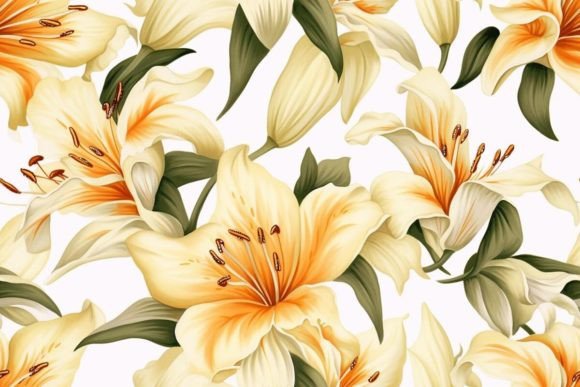
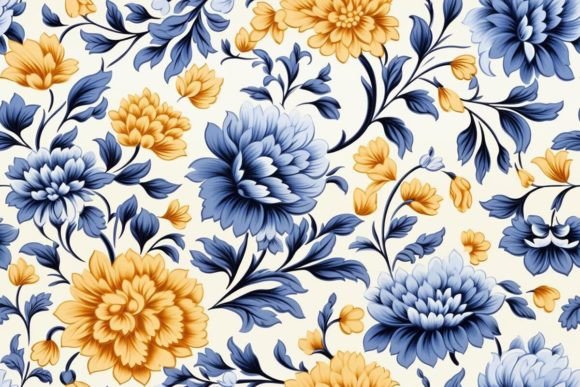
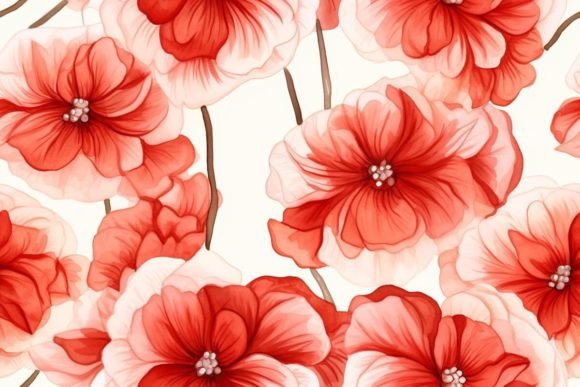
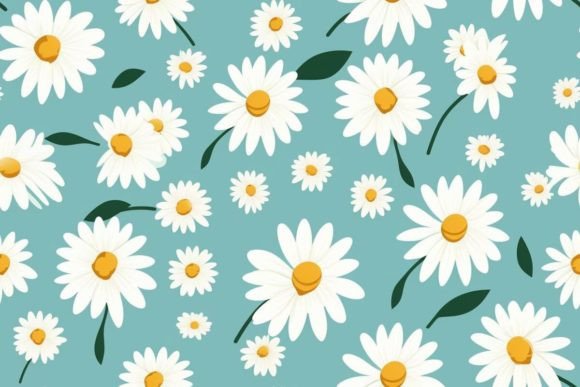
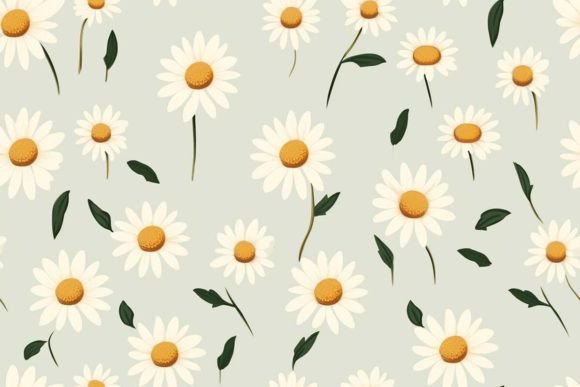
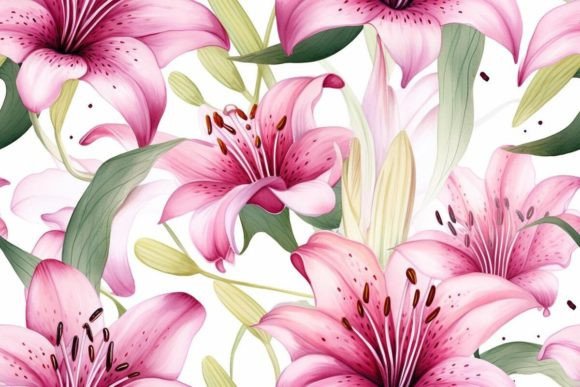
Plant Patterns Botanical Design refers to a visual style that incorporates natural elements, particularly plant life, into artistic compositions. This design approach is commonly used in various fields such as graphic design, interior decoration, fashion, and even digital media. What makes Plant Patterns Botanical Design distinct is its emphasis on organic shapes, leaf structures, floral motifs, and natural textures. These patterns are often inspired by real botanical specimens but can be stylized, abstracted, or reinterpreted for different applications.
The Essence of Botanical Design
Botanical design is not merely about replicating plants; it's about capturing the essence of nature through visual representation. This form of design draws from the study of botany, using accurate or stylized depictions of flora to create visually appealing and meaningful artwork. The appeal lies in the intricate details of leaves, petals, stems, and other plant components that can be transformed into beautiful patterns.
One of the key characteristics of Plant Patterns Botanical Design is its versatility. It can be adapted to fit a wide range of styles, from minimalist and modern to ornate and traditional. This adaptability allows designers to incorporate botanical elements into various contexts, making it a popular choice across multiple industries.
Comparing Botanical Design with Similar Styles
While Plant Patterns Botanical Design has its unique qualities, it shares similarities with other design styles such as floral design, nature-inspired design, and even abstract art. However, each of these styles has its own focus and application.
- Floral Design: Often more focused on flowers and their arrangements, floral design tends to emphasize color, composition, and symmetry. While both styles use natural elements, botanical design includes a broader range of plant life, including leaves, vines, and fruits.
- Nature-Inspired Design: This style draws inspiration from nature in a more general sense, encompassing landscapes, animals, and weather phenomena. In contrast, Plant Patterns Botanical Design is specifically centered around plant life and botanical accuracy.
- Abstract Art: Abstract art uses shapes, colors, and forms to represent objects or ideas, often without direct resemblance to the subject. Botanical design, while sometimes stylized, maintains a connection to real-world plant forms, making it more recognizable and grounded in nature.
Each of these styles has its place and purpose. For instance, floral design might be ideal for creating wedding invitations or greeting cards, while botanical design could be better suited for scientific illustrations or educational materials. Understanding these differences helps in choosing the right design style based on the intended use.
Strengths and Limitations of Botanical Design
One of the main strengths of Plant Patterns Botanical Design is its ability to convey a sense of tranquility, growth, and harmony with nature. This makes it particularly well-suited for environments where a calming atmosphere is desired, such as wellness centers, spas, and healthcare facilities. Additionally, botanical patterns can add depth and interest to otherwise plain surfaces, making them a popular choice for interior design.
However, there are also limitations to consider. For example, highly detailed botanical designs may require more time and expertise to create accurately. They can also be challenging to scale or simplify without losing their defining characteristics. Furthermore, if not executed carefully, botanical designs can appear cluttered or overwhelming, especially when used in large quantities or on small spaces.
When to Choose Botanical Design
Botanical design is an excellent choice when the goal is to evoke a connection with nature, promote relaxation, or enhance the aesthetic appeal of a space. It works particularly well in settings where a natural, organic feel is desired, such as in home decor, office interiors, or public spaces like parks and botanical gardens.
On the other hand, if the project requires a more modern or minimalistic look, or if the design needs to be easily scalable or adaptable, alternative styles may be more appropriate. For example, geometric patterns or monochromatic designs might be better suited for contemporary interiors or digital interfaces.
Real-World Applications and Examples
Botanical design can be seen in many everyday products and environments. For instance, wallpaper featuring intricate leaf patterns can transform a room into a serene retreat. Similarly, fabric prints with botanical motifs are commonly used in home furnishings, clothing, and accessories.
In the world of graphic design, botanical elements are frequently used in branding, packaging, and promotional materials. A company selling eco-friendly products might use a botanical pattern in its logo or marketing collateral to reinforce its commitment to sustainability and natural living.
Another practical example is the use of botanical design in educational materials. Textbooks, science journals, and museum exhibits often feature botanical illustrations to help explain plant anatomy, taxonomy, and ecological relationships. These illustrations serve both an aesthetic and instructional purpose.
Considerations for Choosing Botanical Design
When deciding whether to use Plant Patterns Botanical Design, several factors should be taken into account. These include the intended audience, the overall aesthetic of the project, the level of detail required, and the resources available for design and production.
If the target audience is likely to appreciate or relate to nature, then botanical design can be an effective way to connect with them emotionally. However, if the project requires a more formal or corporate look, a different design approach may be more suitable.
Additionally, the complexity of the design should match the context in which it will be used. A simple, stylized botanical pattern might work well on a website background, while a detailed illustration would be more appropriate for a scientific publication.
Finally, considering the budget and timeline for the project is essential. Highly detailed botanical illustrations may require more time and skill to create, so it's important to plan accordingly and ensure that the design aligns with the overall goals and constraints of the project.
Ultimately, Plant Patterns Botanical Design offers a unique blend of beauty and functionality that can enhance a wide range of projects. By understanding its strengths, limitations, and appropriate applications, designers and creators can make informed decisions that best suit their needs and objectives.