Exploring the World of Textile Patterns Pattern Design and Its Impact on Modern Creativity
In today’s fast-paced, visually driven world, Textile Patterns Pattern Design has emerged as a vital element in the creative industries. Whether you're a professional designer, an entrepreneur launching a new product line, or simply an enthusiast looking to express your style, understanding textile patterns can open up new opportunities for innovation and expression. This article delves into what Textile Patterns Pattern Design entails, how it fits into broader trends, and why it's capturing the attention of professionals and creatives across various fields.
What Is Textile Patterns Pattern Design?
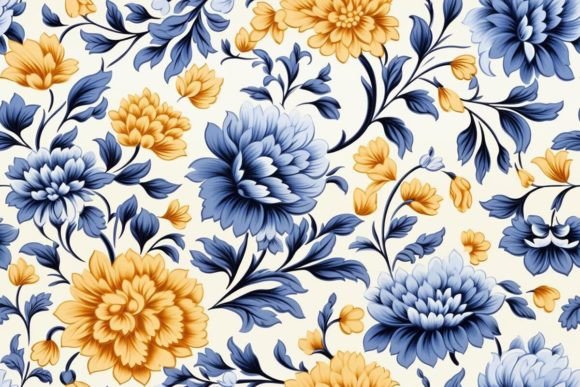
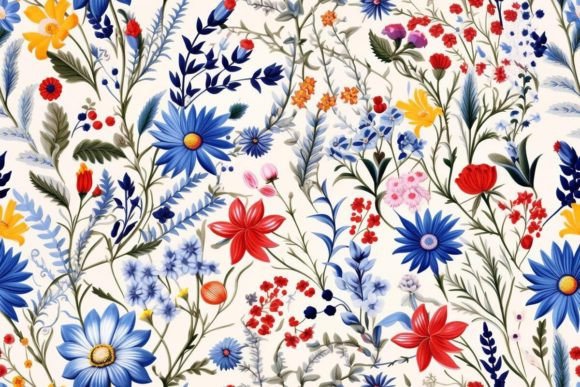
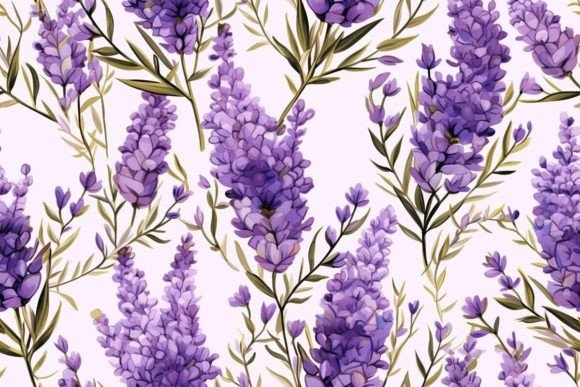
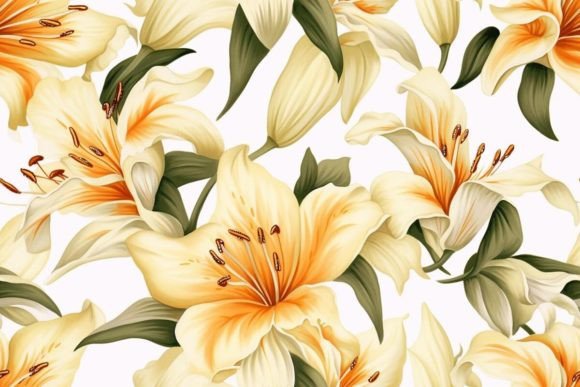
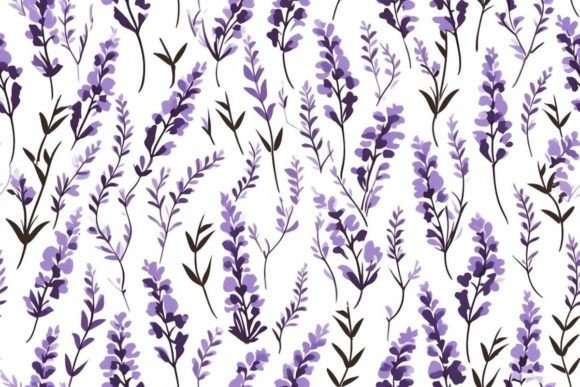
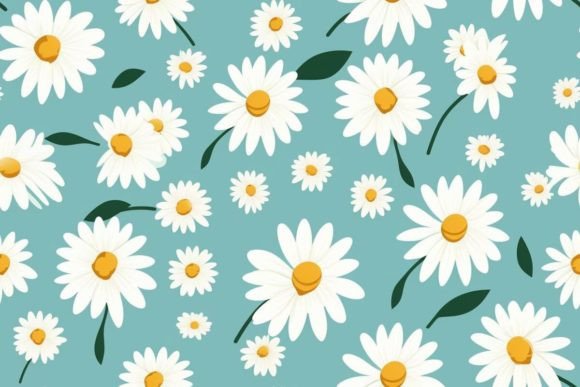
Textile Patterns Pattern Design refers to the process of creating visual motifs and designs that are applied to fabrics and textiles. These patterns can range from traditional floral prints to modern geometric shapes, abstract compositions, and even digital illustrations. The goal is to produce aesthetically pleasing and functional designs that enhance the appearance and usability of textiles.
The design process often involves sketching, digital illustration, color theory, and the use of specialized software such as Adobe Illustrator or CorelDRAW. Designers must also consider factors like fabric type, texture, and intended use—whether for clothing, home décor, or industrial applications.
With the rise of digital tools and online platforms, the accessibility of textile pattern design has expanded significantly. Independent creators can now experiment with their own styles and sell their designs through marketplaces like Spoonflower or Fabric.com, reaching a global audience without the need for large-scale manufacturing.
Why Textile Patterns Pattern Design Matters Now
The growing interest in Textile Patterns Pattern Design is not just a trend—it reflects a shift in consumer preferences and industry practices. In recent years, there has been a surge in demand for unique, customizable, and sustainable products. This has led to a renewed appreciation for handcrafted and bespoke designs, which aligns perfectly with the ethos of textile pattern design.
Moreover, the integration of technology into the creative process has made it easier than ever to explore new possibilities. From AI-assisted design tools to 3D printing techniques, the landscape of textile pattern creation is evolving rapidly. Designers can now experiment with complex patterns and textures that were once difficult to achieve using traditional methods.
Consumers are also becoming more conscious of the environmental impact of their purchases. As a result, there is a rising demand for eco-friendly and ethically produced textiles. This has prompted many designers to incorporate sustainable practices into their work, such as using organic dyes, recycled materials, and low-impact production methods.
Textile Patterns Pattern Design in the Broader Industry Landscape
Textile Patterns Pattern Design plays a crucial role in several industries beyond fashion. In interior design, for example, textile patterns are used to create cohesive and stylish spaces. From upholstery to curtains, the right pattern can transform a room and reflect the personality of its occupants.
In the tech industry, textile patterns have found new applications in wearable technology. Smart fabrics embedded with sensors and circuits require careful consideration of both aesthetics and functionality. Designers must balance visual appeal with the technical requirements of the product, ensuring that the pattern does not interfere with the performance of the device.
Even in the automotive and aerospace industries, textile patterns are being used to enhance the look and feel of interiors. High-end car manufacturers and aircraft companies invest heavily in custom-designed fabrics to create luxurious and distinctive environments for their customers.
Practical Examples of Textile Patterns Pattern Design in Action
One of the best ways to understand the power of Textile Patterns Pattern Design is by looking at real-world examples. Consider the rise of "retro" patterns in fashion—think bold geometrics, vintage florals, and psychedelic prints. These designs have seen a resurgence due to their nostalgic appeal and ability to stand out in a sea of minimalist aesthetics.
Another example is the use of abstract patterns in home décor. Many homeowners are opting for statement pieces like throw pillows or area rugs with unique, eye-catching patterns. These items serve as focal points in a room and can be easily swapped out to refresh the space without major renovations.
In the realm of business, companies are leveraging textile patterns to reinforce brand identity. Custom-designed fabrics with company logos or signature colors can be used for uniforms, office furnishings, and promotional materials, creating a consistent and memorable brand experience.
Changing Needs and Expectations in Textile Pattern Design
The way people interact with textiles has changed dramatically over the past decade. With the rise of e-commerce and social media, consumers are more informed and discerning than ever before. They seek out products that not only meet their functional needs but also align with their personal values and aesthetic preferences.
This shift has led to a greater emphasis on customization and personalization. Consumers want to see their individuality reflected in the products they buy, whether it's through unique patterns, limited-edition releases, or bespoke designs. As a result, many textile pattern designers are focusing on creating versatile and adaptable designs that can be tailored to different tastes and uses.
Additionally, the increasing popularity of DIY culture has encouraged more people to engage in textile pattern design themselves. Online tutorials, design software, and affordable materials have made it possible for hobbyists and aspiring designers to experiment with their own creations. This democratization of design has led to a more diverse and dynamic marketplace, where both established and emerging artists can find an audience.
Conclusion: The Future of Textile Patterns Pattern Design
Textile Patterns Pattern Design is more than just a creative pursuit—it's a reflection of our evolving relationship with design, technology, and sustainability. As we continue to push the boundaries of what's possible, the role of textile patterns will only become more significant.
Whether you're a professional designer, an entrepreneur, or simply someone who appreciates beautiful patterns, there has never been a better time to explore the world of textile pattern design. By staying attuned to current trends and embracing new technologies, you can unlock new opportunities for creativity and innovation.
If you're interested in exploring Textile Patterns Pattern Design further, be sure to check out the latest collections and resources available. And don't forget to leave a review if you find value in this content—your feedback helps support continued growth and development in this exciting field.