Visual Design Plant Patterns: Enhancing Creativity and Workflow Efficiency
Visual design plant patterns offer a unique way to blend natural aesthetics with functional design elements. Whether you're working on a branding project, creating digital assets, or enhancing your workspace, these patterns can serve as both inspiration and practical tools. This article explores how Visual Design Plant Patterns can be integrated into various workflows and what makes them valuable for professionals and creatives alike.
Understanding Visual Design Plant Patterns
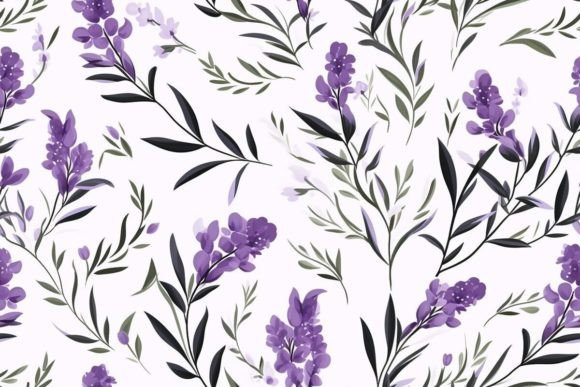
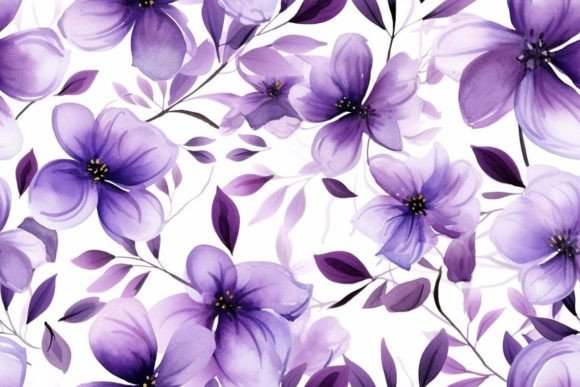
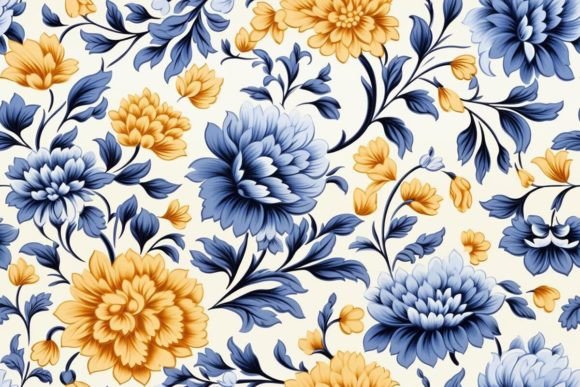
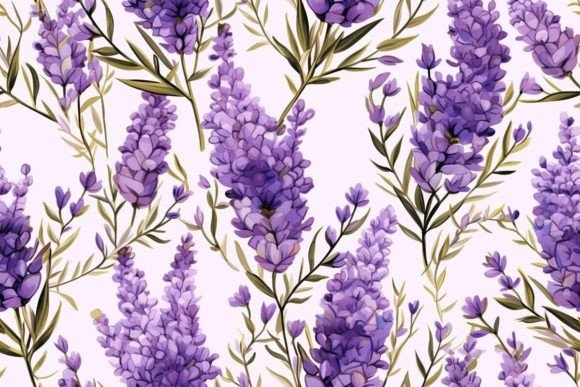
Visual Design Plant Patterns refer to the use of botanical imagery, such as leaves, flowers, vines, and other plant-related motifs, in visual design contexts. These patterns are not only visually appealing but also carry symbolic meanings that can resonate with audiences. They can be found in graphic design, web development, interior decoration, and even in user interface (UI) and user experience (UX) design.
These patterns are often used to create a sense of calm, growth, and connection to nature. In design, they can help convey themes related to sustainability, health, wellness, and organic living. When used effectively, plant patterns can enhance the visual appeal of a project while reinforcing its message or brand identity.
Where Visual Design Plant Patterns Fit in a Broader Process
Visual Design Plant Patterns can be incorporated at different stages of a creative or business process. Understanding when and how to use them can significantly impact the outcome of your work.
Before Starting a Project
Before diving into a design project, consider how plant patterns might align with the theme or message you want to communicate. For example, if you're designing a logo for an eco-friendly product line, incorporating leaf or tree motifs can immediately signal the brand's commitment to sustainability.
Researching existing examples of successful uses of plant patterns in similar industries can provide insights into what works well. Tools like Pinterest, Behance, and Dribbble can be useful for gathering inspiration and understanding current trends.
During the Design Process
Once you've established the direction of your project, plant patterns can be used to create visual hierarchy, add texture, or break up large blocks of text or images. In UI/UX design, subtle background patterns can make interfaces more engaging without overwhelming the user.
Design software like Adobe Illustrator, Photoshop, or free alternatives like Canva and GIMP allow for easy manipulation of plant patterns. You can scale, recolor, or layer them to fit your specific needs. It's important to maintain consistency in pattern usage to ensure a cohesive look across all design elements.
After Finalizing a Project
Even after completing a project, plant patterns can play a role in its long-term success. For instance, using plant-themed visuals in marketing materials can reinforce brand recognition and create a memorable impression on customers.
Additionally, feedback from users or stakeholders can guide future design decisions. If a particular plant pattern receives positive responses, it may be worth incorporating into future projects or variations of the same design.
How Visual Design Plant Patterns Interact with Other Tools and Resources
Integrating Visual Design Plant Patterns into your workflow doesn't happen in isolation. They interact with various tools, resources, and methods that support the overall design process.
Collaboration with Other Design Elements
Plant patterns should complement other design elements rather than compete with them. When used alongside typography, color schemes, and layout structures, they can enhance the overall aesthetic without overpowering the main message.
For example, pairing a minimalist leaf pattern with bold, sans-serif fonts can create a modern yet organic feel. On the other hand, intricate floral patterns might pair better with more traditional or ornate typefaces.
Compatibility with Digital Platforms
In digital environments, ensuring that plant patterns are compatible with different screen sizes and resolutions is crucial. Responsive design principles should be applied to ensure that patterns remain visually appealing across devices.
Testing your designs on multiple platforms, including desktops, tablets, and mobile devices, can help identify any issues with pattern scaling or visibility. Using high-resolution images and optimizing file sizes can also contribute to better performance and user experience.
Integration with Branding and Marketing Strategies
When used in branding and marketing, plant patterns can become part of a larger strategy aimed at building brand identity and customer engagement. They can be incorporated into social media posts, email newsletters, packaging, and promotional materials.
Consistency in pattern usage across all touchpoints helps build brand recognition. Additionally, using plant patterns in conjunction with storytelling techniques can create a more emotional connection with the audience.
Practical Implementation Tips and Workflow Examples
To make the most of Visual Design Plant Patterns, it's helpful to follow some practical implementation tips and understand how they can be applied in real-world scenarios.
Tips for Effective Use
- Start with a clear purpose: Determine why you're using a plant pattern and what message you want to convey. This will help guide your choices and ensure the pattern serves a functional role.
- Use high-quality assets: Invest in or source high-resolution plant images to avoid pixelation or distortion, especially when scaling patterns for larger formats.
- Maintain balance: Avoid overusing plant patterns, as this can lead to clutter and reduce readability or usability. Use them strategically to highlight key areas or add visual interest.
- Experiment with colors: Play with different color palettes to see which combinations work best with your design. Monochromatic schemes can create a clean look, while vibrant colors can add energy and excitement.
Workflow Example: Creating a Website Header with Plant Patterns
Suppose you're designing a website header for a wellness brand. Here's how you might integrate a plant pattern into the design:
- Begin by selecting a primary color scheme that reflects the brand's values—perhaps soft greens and earthy tones.
- Choose a subtle leaf or vine pattern that complements the color palette and adds a natural feel.
- Apply the pattern as a background element behind the navigation menu or hero section, ensuring it doesn't interfere with text readability.
- Test the design on different devices to ensure the pattern remains consistent and visually appealing across all screen sizes.
- Gather feedback from stakeholders or users to refine the pattern's placement and appearance before finalizing the design.
Factors to Consider for Long-Term Use and Quality Control
When incorporating Visual Design Plant Patterns into your workflow, several factors can influence their effectiveness and longevity.
Preparation and Organization
Organizing your design assets, including plant patterns, in a structured manner can save time and prevent confusion. Create folders or libraries for different types of patterns, and label them clearly based on their intended use or theme.
Using asset management tools or cloud storage solutions can help keep your files accessible and secure. This is particularly useful when collaborating with others or working on multiple projects simultaneously.
Usability and Efficiency
Ensuring that plant patterns are easy to use and modify is essential for maintaining efficiency in your workflow. Choose patterns that are scalable and editable, so you can adjust them as needed without compromising quality.
Automating repetitive tasks, such as applying a pattern to multiple design elements, can also improve productivity. Many design tools offer batch processing or automation features that can streamline this process.
Consistency and Quality Control
Maintaining consistency in the use of plant patterns across all design outputs is crucial for building a strong brand identity. Establishing style guides or design systems can help ensure that patterns are used appropriately and consistently.
Regularly reviewing and updating your design assets can also help maintain quality control. This includes checking for outdated patterns, ensuring compatibility with new technologies, and refining patterns based on user feedback.
Conclusion
Visual Design Plant Patterns offer a versatile and meaningful way to enhance creative projects, whether in digital design, branding, or personal workflows. By understanding their role in the broader design process and integrating them thoughtfully, you can elevate the visual appeal and functionality of your work.
From choosing the right patterns to testing their effectiveness across different platforms, there are numerous ways to incorporate plant motifs into your designs. With careful planning and attention to detail, you can create impactful visuals that resonate with your audience and support your creative goals.