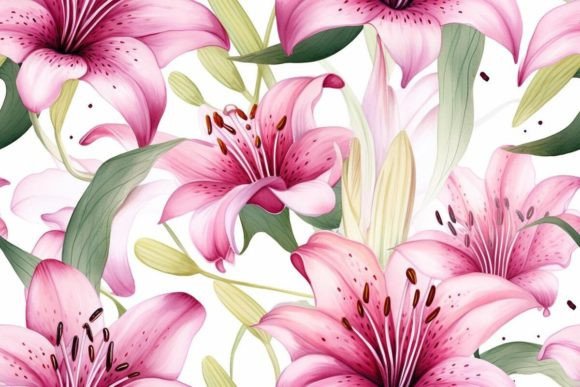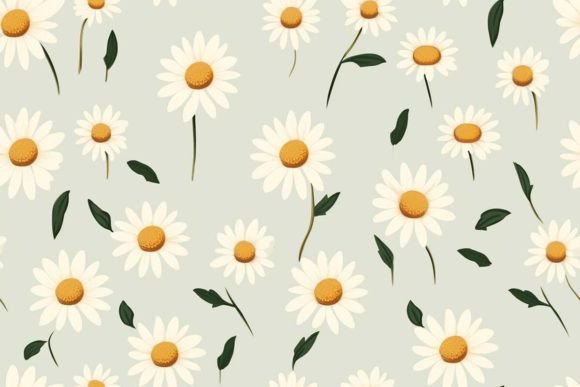
Floral Illustration Botanical Patterns: Strategic Applications for Design and Branding
Floral illustration botanical patterns are more than just decorative elements—they are powerful tools that can enhance visual storytelling, reinforce brand identity, and elevate the aesthetic appeal of various design projects. These intricate designs, rooted in nature and artistry, offer a unique blend of beauty and symbolism that can be strategically leveraged across multiple industries. Whether you're an entrepreneur launching a new product line, a marketer crafting content, or a designer working on branding materials, understanding how to use floral illustration botanical patterns effectively can make a significant difference in your outcomes.
Understanding Floral Illustration Botanical Patterns
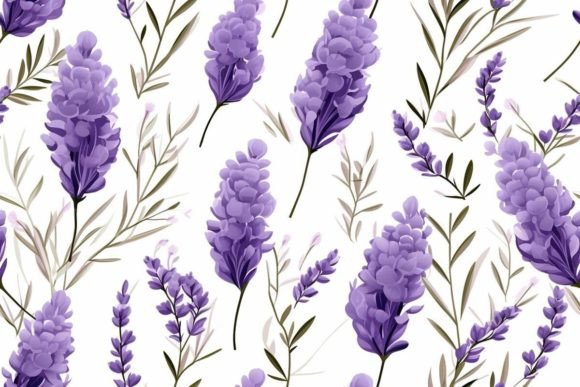
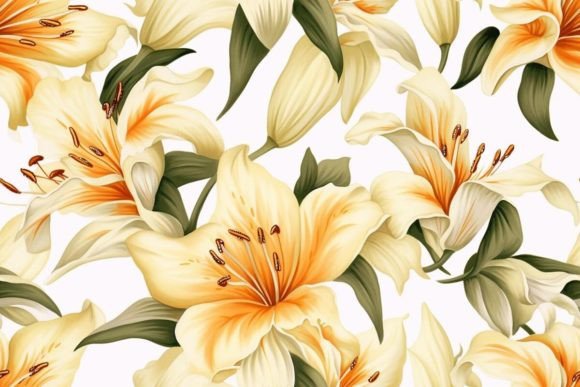
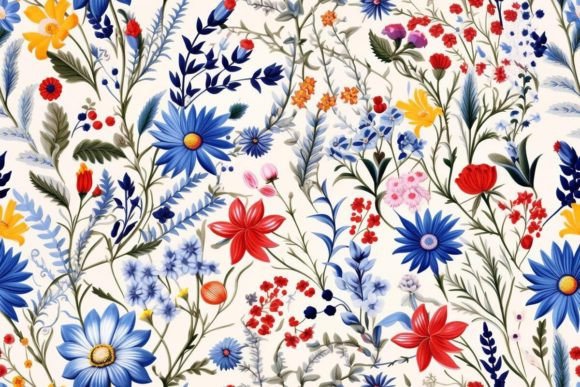
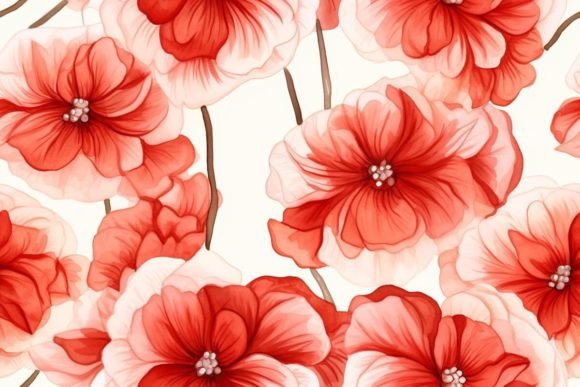
Floral illustration botanical patterns are detailed artistic representations of flowers, plants, and other natural elements. Historically used in scientific illustrations, these patterns have evolved into a versatile design asset used in fashion, packaging, interiors, digital media, and more. Their intricate details and organic flow provide a sense of elegance and timelessness that resonates with a wide audience.
The strategic value of these patterns lies in their ability to evoke emotions, communicate themes, and create visual harmony. For instance, a daisy pattern might convey innocence and purity, while a peacock feather motif could suggest luxury and sophistication. Understanding the symbolism behind different floral elements allows designers and marketers to align their visuals with specific messaging goals.
Strategic Use Cases for Floral Illustration Botanical Patterns
When considering the use of floral illustration botanical patterns, it's essential to align them with your overall objectives. Here are some practical applications where these patterns can add real value:
- Brand Identity: Incorporating floral patterns into logos, packaging, or marketing collateral can help establish a brand’s personality. A spa, for example, might use soft pastel floral motifs to communicate relaxation and wellness.
- Product Packaging: Floral patterns can differentiate products on store shelves and attract attention. Think of premium skincare brands that use delicate botanical illustrations to emphasize natural ingredients.
- Interior Design: From textiles to wall art, floral patterns can transform spaces and create a welcoming atmosphere. They are particularly effective in hospitality, retail, and residential settings.
- Digital Media: In web design and social media content, floral illustrations can serve as background elements, headers, or icons that maintain visual consistency and reinforce thematic messaging.
Each of these use cases requires careful consideration of context, target audience, and desired impact. The goal is not just to include a floral pattern, but to ensure it supports the broader narrative of your project.
Planning and Implementation Tips
Before incorporating floral illustration botanical patterns into your work, consider the following planning steps:
- Define Your Objective: What do you want to achieve? Is it to evoke a certain emotion, highlight a product feature, or support a brand message?
- Research Relevant Motifs: Different flowers carry different meanings. Research which botanical elements align with your goals and audience preferences.
- Choose the Right Style: Consider whether you need a realistic, stylized, or minimalist approach. The style should match the tone of your project and the expectations of your audience.
- Ensure Consistency: If using floral patterns across multiple platforms or touchpoints, maintain a consistent color palette, scale, and application to avoid visual clutter.
- Test and Refine: Always test how the pattern looks in different contexts. Adjust colors, sizes, or placements based on feedback and performance metrics.
By approaching the integration of floral illustration botanical patterns with intention, you can maximize their effectiveness and avoid potential missteps.
Risks of Using Floral Illustration Botanical Patterns Without Strategy
While floral illustration botanical patterns can enhance design, they can also detract from it if not used thoughtfully. Common pitfalls include overcomplication, mismatched aesthetics, and misuse of symbolism. For example, using a bold, colorful floral pattern for a professional service may come across as unprofessional or out of place.
Additionally, without clear goals, floral patterns may fail to resonate with the intended audience. It’s crucial to understand who your audience is and what they expect from your design choices. This ensures that the use of floral illustration botanical patterns feels purposeful rather than random.
Integrating Floral Illustration Botanical Patterns into Long-Term Strategies
For businesses and creators looking to build long-term brand equity, integrating floral illustration botanical patterns into ongoing strategies can yield lasting benefits. Here are a few ways to do this:
- Create a Signature Pattern: Develop a unique floral pattern that becomes synonymous with your brand. This can be used across all marketing materials, packaging, and even merchandise.
- Seasonal Campaigns: Align floral patterns with seasonal themes. For instance, use spring blossoms for Easter promotions or autumn leaves for back-to-school campaigns.
- Collaborate with Artists: Partner with illustrators who specialize in botanical art to co-create exclusive patterns that reflect your brand’s values and vision.
- Track Performance: Monitor how different patterns perform in terms of engagement, sales, or customer feedback. Use this data to refine future design decisions.
These approaches ensure that floral illustration botanical patterns are not just one-time design choices, but integral components of a cohesive and evolving brand strategy.
Final Thoughts on Intentional Design Choices
Floral illustration botanical patterns are a valuable resource when used with clarity and purpose. They offer a way to connect with audiences through shared cultural symbols, enhance visual appeal, and support broader business goals. However, their success depends on thoughtful planning, alignment with brand identity, and continuous refinement.
As you explore the possibilities of floral illustration botanical patterns, remember to focus on quality, relevance, and strategic alignment. By doing so, you’ll not only create visually compelling designs but also drive meaningful results for your projects and business.